


Choosing between a laptop and a tablet is interesting. Modern tablets are far more powerful than they used to be, while laptops continue becoming lighter and more portable. For work, travel, entertainment and staying connected, both devices offer different advantages. In this guide, we compare laptops and tablets in 2026 and explain which option may work better depending on your lifestyle.
Why The Difference Between Laptops And Tablets Is Smaller Than Ever
Years ago, tablets were mainly used for watching videos, browsing the internet and casual gaming. Today, many tablets are powerful enough to handle work tasks, video calls, editing apps and multitasking. Devices like the iPad Pro and the Samsung Galaxy Tab now support keyboards, trackpads and productivity software that make them feel much closer to traditional laptops.
When A Laptop Still Makes More Sense
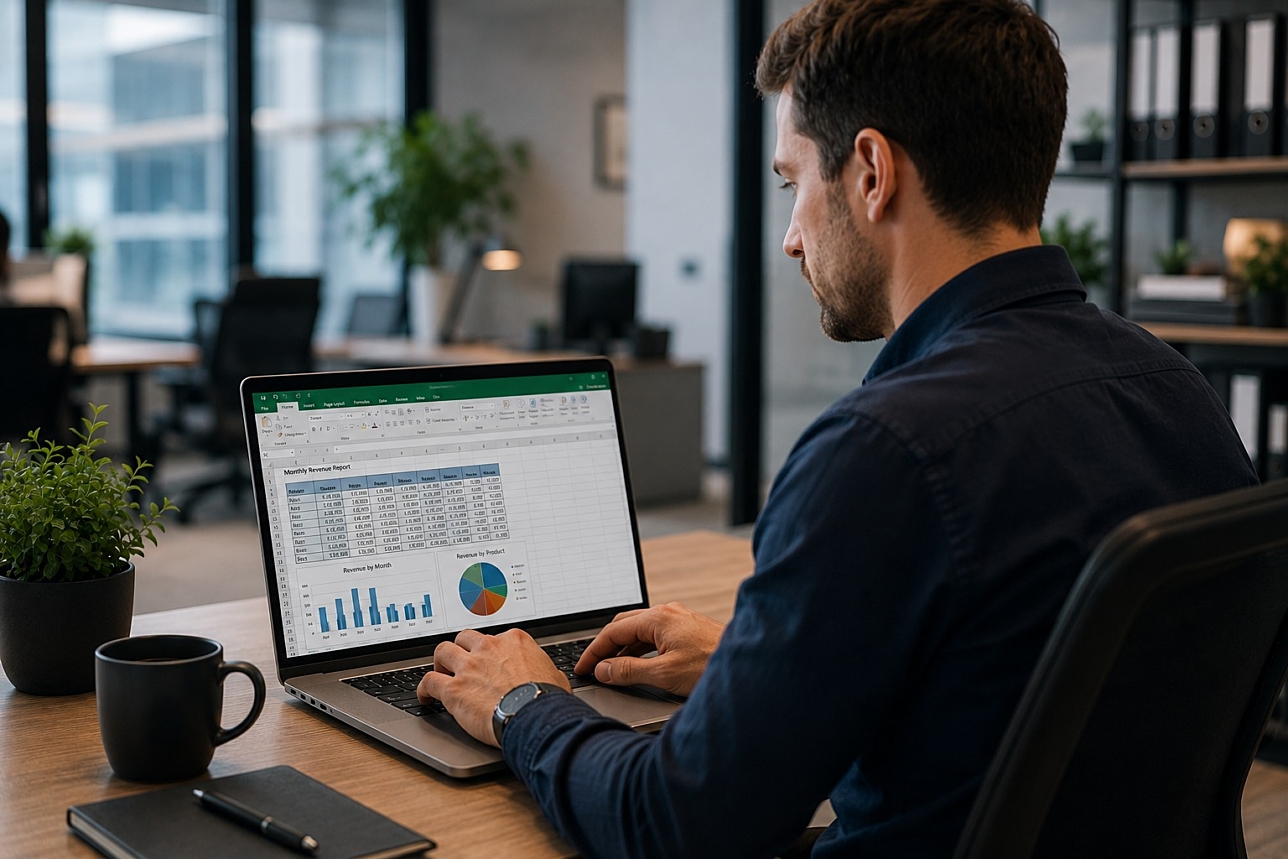
For heavy workloads, laptops still have important advantages. People who regularly use advanced software, large spreadsheets, programming tools or video editing programs often prefer a laptop because of the larger operating system and stronger multitasking capabilities. Laptops also tend to offer more storage options, more ports and better compatibility with professional software.
Why More People Are Choosing Tablets
Tablets are becoming increasingly popular because they combine portability with flexibility. They are lighter, easier to carry and often have longer battery life than many laptops. For travelers, students and remote workers, tablets can feel more convenient during daily use. Many people now pair their tablet with a detachable keyboard, allowing it to function almost like a laptop while remaining much more compact.

Using A Tablet Like A Laptop
One of the biggest reasons tablets have grown so quickly is the rise of keyboard accessories and desktop-style software. Many users now connect Bluetooth keyboards or magnetic keyboard cases to their tablets, transforming them into lightweight workstations. Features like split-screen multitasking, cloud storage and wireless accessories make tablets increasingly capable for productivity tasks.
Can Tablets Use SIM Cards And Mobile Data?
One major advantage many people overlook is that some tablets support SIM cards or eSIM technology. Cellular tablets can connect directly to mobile networks without relying entirely on WiFi. This allows users to browse the internet, stream content, join video calls and stay connected while traveling. Some tablets even support SMS features or internet-based calling apps.
Why Mobile Connectivity Matters While Traveling
Travelers increasingly choose tablets with mobile data support because public WiFi is not always reliable or secure. Having a tablet connected through a SIM card or eSIM makes it easier to work remotely, navigate unfamiliar places and stay reachable during trips abroad. People often rely on apps like Google Maps, messaging platforms and airline apps while traveling.
How Mobile Top-Ups Help Tablet Users Stay Connected
Using mobile data on a tablet also means users may occasionally run out of credit or data bundles, especially while traveling internationally. Platforms like Mitti make it possible to quickly top up prepaid mobile credit or data plans online. This helps users restore connectivity instantly without needing to visit a local mobile store.
Battery Life And Portability
Tablets generally outperform laptops when it comes to portability and battery efficiency. Their lightweight design makes them easier to carry throughout the day, especially during commuting or flights. Many tablets can easily last an entire day on a single charge, while some laptops still require more frequent charging during heavy use.
Entertainment And Everyday Use
For streaming, reading, browsing and casual gaming, tablets often provide a more relaxed experience. Their touchscreen design feels intuitive for entertainment and social media use. Platforms like Netflix, YouTube and Spotify are commonly used on tablets because of their portability and ease of use.
Which Device Works Better For Students?
Students often choose tablets because they are easier to carry between classes and can combine note-taking, reading and entertainment in one device. Accessories like styluses and keyboards also make tablets useful for studying and online learning. However, students working with specialized software may still benefit more from a traditional laptop.
Are Tablets Replacing Laptops?
For some people, yes. Many casual users now use tablets as their primary device because they cover most everyday tasks. However, laptops still remain essential for users with heavier workloads or specialized software needs. In reality, the best option often depends on how you plan to use the device.
The decision between a laptop and a tablet depends on portability, work requirements and connectivity needs. Tablets are becoming more powerful every year, especially when combined with keyboards and mobile data support. Laptops still offer advantages for demanding tasks, but tablets are increasingly becoming a realistic alternative for travel, communication and everyday productivity.