


For decades, services like Western Union made it possible to send money across borders quickly. Long before mobile banking apps existed, people could walk into a physical location, send cash to another country and allow someone else to collect it within minutes. At the time, this was revolutionary. But the way people stay connected and support each other internationally has changed dramatically. Today, digital tools and smartphones are reshaping how value moves around the world, and services like Mitti are part of that shift.
The traditional way of sending money internationally
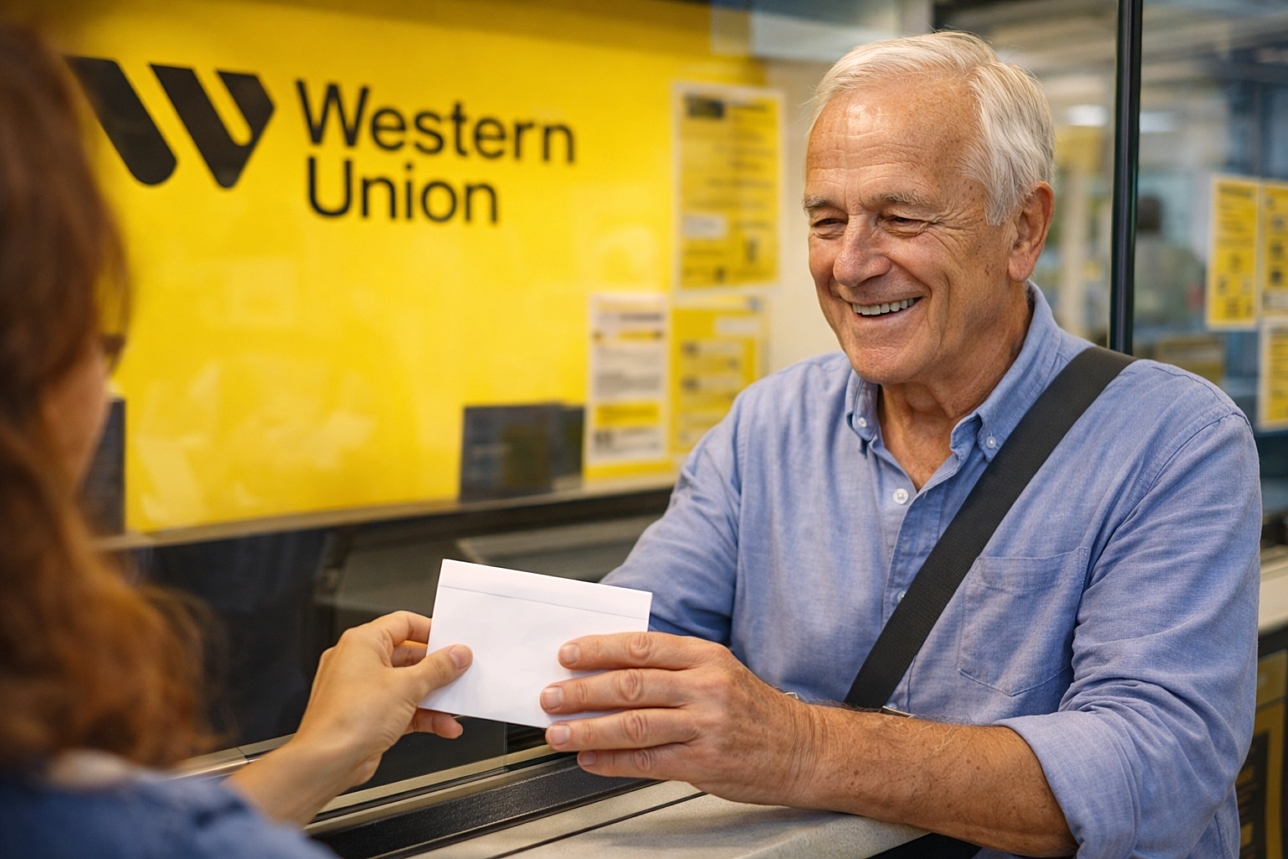
For many years, international transfers depended on physical locations and cash-based systems. A sender would visit an agent, pay a fee and provide the recipient’s details. The recipient would then travel to a pickup location, present identification and collect the money. Companies like Western Union helped millions of people move money globally using this model, particularly before digital banking became widely accessible.
Why the world of transfers is evolving
The rise of smartphones and digital services has changed expectations around speed, convenience and accessibility. People now expect services to work instantly, from anywhere, without needing to visit a physical location. This shift has led to a new generation of digital platforms that focus on simpler and more direct ways to send value across borders.
Sending value is not always about sending money
One of the biggest changes in global communication is how smartphones have become central to everyday life. In many parts of the world, access to mobile connectivity is more important than access to cash. Being able to call family members, send messages, access information or use essential apps depends on having mobile credit available. In these situations, sending airtime or mobile data can often be more practical than sending money.
The difference between cash transfers and mobile credit
Traditional money transfers and mobile credit transfers solve different problems. Cash transfers are useful when someone needs physical money or bank access. However, when someone simply needs to stay connected, mobile credit can provide immediate value. Instead of collecting money at a physical location, the recipient receives credit directly on their phone, allowing them to make calls, send messages or use mobile data right away.
Western Union vs Mitti
While services like Western Union made international money transfers widely accessible decades ago, newer digital platforms have introduced different ways of sending value across borders. Western Union typically focuses on sending cash that must be collected at a location or transferred through bank infrastructure. Platforms like Mitti take a different approach by sending mobile credit directly to a phone number. Instead of visiting a pickup location or waiting for a bank transfer, the recipient receives airtime instantly and can immediately use it for calls, messages or mobile data.
Why mobile-first solutions are gaining popularity
As mobile connectivity becomes more important, people are increasingly looking for ways to send value that match how people actually communicate today. Sending mobile credit is often faster, simpler and more direct than traditional remittance services. There are no pickup locations, no waiting lines and no need for banking details. A phone number is often all that is required to complete a transfer.
Services like Wise, Revolut and PayPal
Over the past decade, a number of digital platforms have modernized international money transfers. Services such as Wise, Revolut and PayPal have introduced faster online transfers, better exchange rates and mobile apps that allow people to send money without visiting a physical location. For many users with bank accounts and access to financial apps, these platforms offer a convenient alternative to traditional cash transfer services.
However, these solutions still rely on financial infrastructure. In most cases, both the sender and the recipient need bank accounts, identity verification and access to digital payment systems. In many parts of the world, that is not always guaranteed. Millions of people rely primarily on their mobile phones for communication and everyday digital access, but may not have access to international banking tools.
How digital platforms are changing the experience
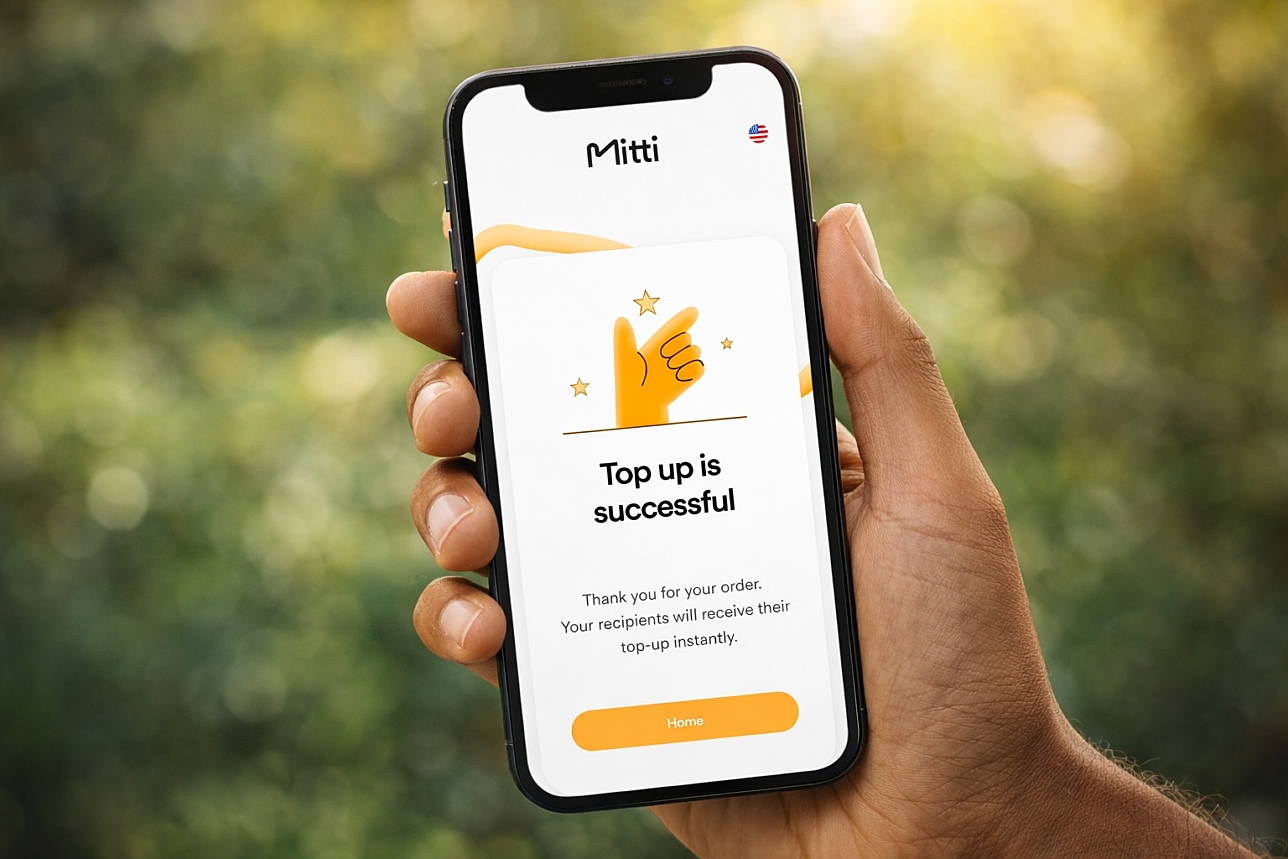
Modern platforms focus on simplicity and accessibility. Instead of requiring users to navigate complex transfer systems, digital services streamline the process so people can send value with just a few steps. The entire experience happens online, reflecting how people already manage most of their communication and daily activities.
A simpler way to help someone stay connected
In many situations, sending mobile credit can solve the problem people are trying to fix more directly than sending money. If someone runs out of data or cannot make calls, receiving airtime immediately restores their ability to communicate. Digital platforms like Mitti make this process simple by allowing people to send mobile credit across borders within seconds.
The shift toward faster and more flexible transfers
Global transfers are evolving from physical, location-based systems to flexible digital services that work anywhere with an internet connection. While traditional services still play an important role, the growing demand for speed and simplicity is driving the adoption of mobile-first solutions.
The future of international support
As smartphones continue to shape how people communicate, the ways people send value internationally will continue to evolve as well. In many cases, helping someone stay connected can be just as important as sending money itself. As digital tools continue to develop, people will increasingly choose solutions that match how communication works in a mobile-first world.