


Most people use a SIM card every day, but very few actually know how it works or why it matters. Whether you are traveling, switching phones or simply trying to stay connected, understanding SIM cards can make a big difference. In this guide, you will learn everything you need to know about SIM cards, from how they work to how they are evolving in a more digital world.
What Is A SIM Card And Why It Matters
A SIM card is a small chip that connects your phone to a mobile network. It allows you to make calls, send messages and use mobile data. Without it, your phone cannot communicate with your provider. The SIM card also stores important information such as your phone number and network identity, which is why it is essential for staying connected. You can read more about how SIM technology works via GSMA, the global organization behind mobile standards.
How SIM Cards Actually Work
When you insert a SIM card into your phone, it communicates with nearby cell towers operated by your provider. This connection allows your phone to send and receive data. Every SIM card has a unique identifier that tells the network who you are and what services you are allowed to use. This process happens instantly and automatically, which is why most people never think about it. Technologies like Subscriber Identity Module standards make this possible across networks worldwide.
The Different Types Of SIM Cards
Over time, SIM cards have become smaller and more efficient. There are several types you may come across. Standard SIM cards were the original format, but are now rarely used. Micro SIM cards came next, followed by Nano SIM cards, which are currently the most common in modern smartphones. The newest development is the eSIM, which removes the need for a physical card altogether and is now supported by many brands such as Apple and Samsung.
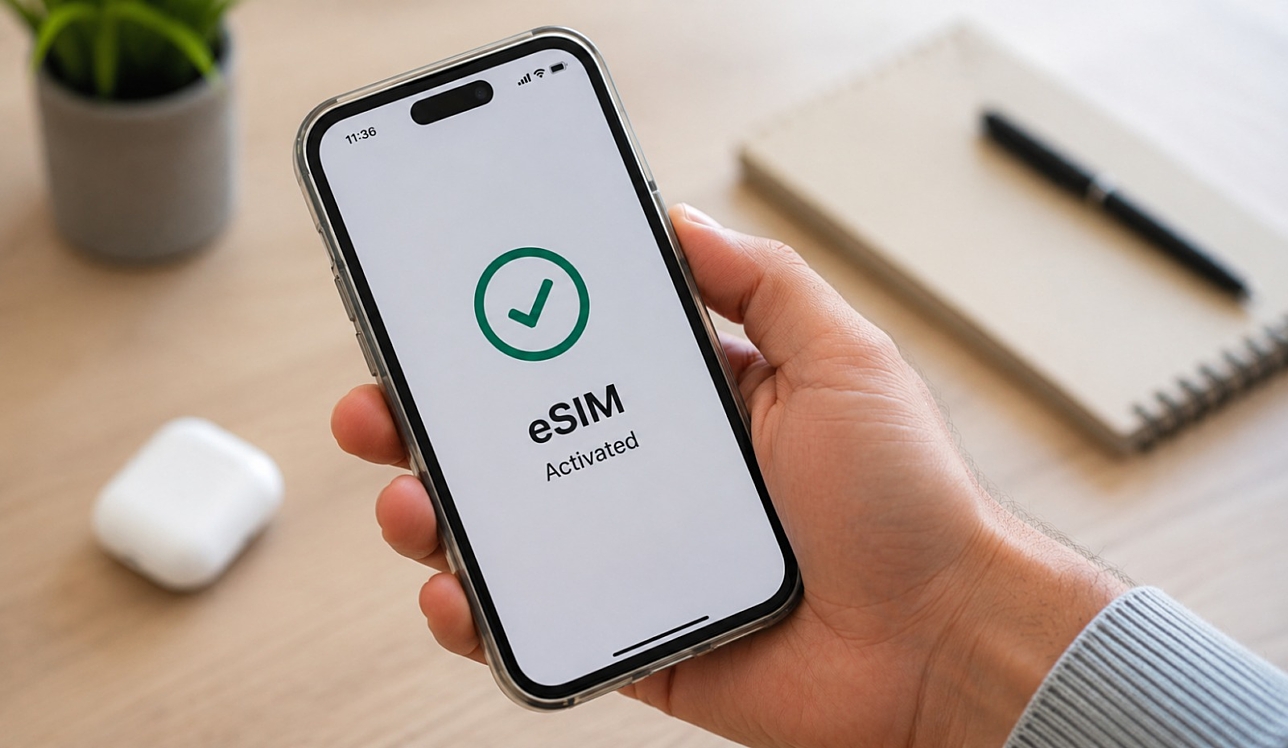
What Is An eSIM And How Is It Different
An eSIM is a digital SIM that is built directly into your device. Instead of inserting a physical card, you activate your connection by downloading a profile from your provider. This makes switching networks much easier and eliminates the need to handle small SIM cards. Many newer smartphones now support eSIM technology, especially for people who travel frequently or use multiple numbers. You can explore more about eSIM technology via GSMA eSIM.
When You Need To Replace Your SIM Card
There are several situations where replacing your SIM card becomes necessary. If you switch to a new phone, especially a newer model, you may need a different SIM size or an eSIM. If your SIM card is damaged or stops working, replacing it is often the quickest solution. You may also need a new SIM when changing providers or moving to a different country.
Using SIM Cards While Traveling Abroad
Traveling introduces a new set of challenges when it comes to connectivity. Using your home SIM card abroad can lead to high roaming costs. Many travelers choose to buy a local SIM card at their destination, but this can take time and requires identification in some countries. Another option is to use an eSIM, which can often be activated before you even arrive. Platforms like Airalo offer global eSIM data plans, making travel connectivity easier.
Why Staying Connected Matters More Than Ever
Being connected is no longer just about convenience. It is essential for communication, navigation, work and safety. People rely on their phones for services like Google Maps, messaging apps and online bookings. Losing access to your mobile network can quickly become stressful, especially when you are in an unfamiliar place.

What Happens When You Run Out Of Credit Or Data
In many parts of the world, mobile services operate on a prepaid basis. This means that once your credit or data runs out, your phone may stop working for calls, messages or internet access. This can limit your ability to communicate or access important services. In situations like these, restoring credit quickly becomes a priority.
How To Quickly Top Up A SIM Card
There are several ways to top up a SIM card, depending on your location and provider. Some people visit local shops or kiosks, while others use online services. Digital platforms have made this process much easier by allowing users to top up a phone number from anywhere in the world. Services like Mitti make it possible to send mobile credit directly to a phone in just a few steps, without needing bank details from the recipient.
The Shift From Physical SIM To Digital Connectivity
The way people connect to mobile networks is changing. Physical SIM cards are slowly being replaced by digital alternatives like eSIM. This shift reflects a broader move toward instant, flexible and location-independent connectivity. Instead of relying on physical stores or hardware, users can now manage their mobile connections entirely online.
Understanding SIM Cards In A Changing World
SIM cards may be small, but they play a crucial role in how we stay connected. From traditional SIM cards to modern eSIM technology, the way we access mobile networks continues to evolve. Understanding these changes helps you make better choices, whether you are traveling, switching devices or simply trying to stay connected in an increasingly digital world.