


Public WiFi feels convenient, especially when you are traveling, working remotely or trying to save mobile data. Airports, hotels, cafés and shopping centers all offer easy access to free internet, and most people connect without thinking twice. But public networks are not always as safe as they seem, and using them carelessly can expose personal information in ways many people do not realize.
Why public WiFi can be risky
Unlike your home network, public WiFi is often shared by dozens or even hundreds of people at the same time. In many cases, these networks have limited security or no password protection at all. That makes it easier for attackers to monitor traffic, exploit weak connections or target people who assume the network is trustworthy simply because it appears in a public place.
Fake networks are easier to create than most people think
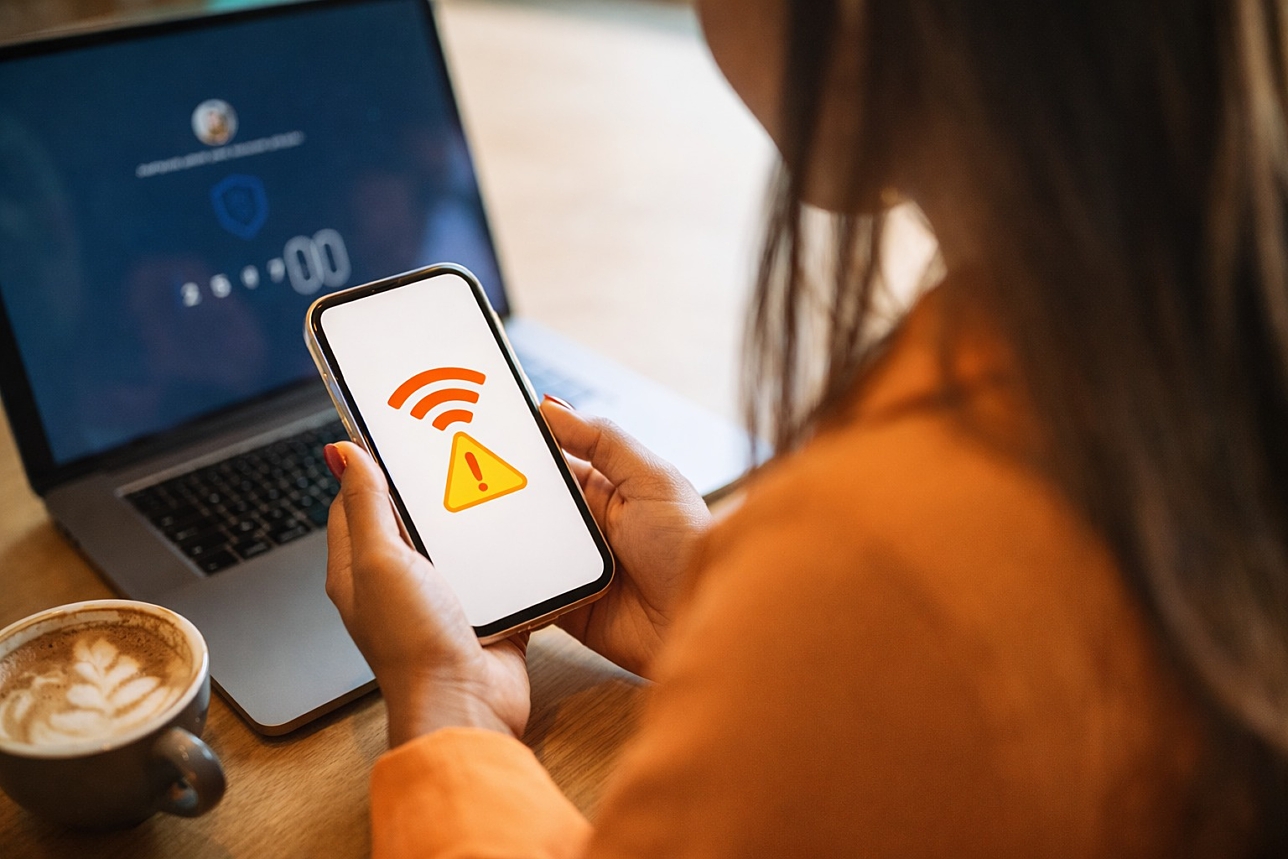
One of the biggest risks is not just connecting to an insecure network, but connecting to a fake one. Scammers can create WiFi names that look almost identical to legitimate networks in airports, hotels or cafés. A device such as a WiFi Pineapple can be used to imitate trusted access points and encourage nearby phones or laptops to connect automatically. Once that happens, your traffic may pass through a network controlled by someone else.
What attackers may be able to see
If you are on an unsafe network, attackers may be able to intercept browsing activity, login details, email access or other sensitive information, especially if the websites or apps you use are not properly secured. Even when passwords are not directly exposed, session data and browsing behavior can still reveal more than most people would be comfortable sharing on an open network.
Why free WiFi can create a false sense of trust
Many people assume that if WiFi is offered by a hotel, airport or coffee shop, it must be safe. In reality, the location itself does not guarantee that the connection is secure. Networks may be poorly configured, outdated or easy to imitate. The convenience of free internet often makes people less cautious, which is exactly what scammers rely on.
Simple ways to use public WiFi more safely
Public WiFi does not always need to be avoided completely, but it should be used with care. A few simple habits make a big difference. Check that you are joining the correct network, turn off automatic connection settings, avoid accessing banking apps or sensitive accounts on open WiFi, and make sure the websites you visit use HTTPS. Using a trusted VPN can also add an important layer of protection by encrypting your internet traffic.
Why mobile data is often the safer option
When possible, mobile data is usually a safer alternative than public WiFi. Mobile networks are generally more secure and much harder for casual attackers to imitate or intercept. If you need to log into important accounts, access payment information or handle anything personal while away from home, using mobile data is often the smarter choice. In situations where secure browsing matters, using mobile data instead of public WiFi can offer more peace of mind, and services like Mitti can help people stay connected when access to mobile credit matters more than relying on a public network.
Staying connected without taking unnecessary risks
Public WiFi can be useful in the right situation, but it should never be treated as risk-free. Understanding how open networks work, how fake access points are created and how scammers take advantage of convenience can help you make better choices online.