


Losing your phone while traveling can quickly turn into a stressful situation. Your phone is no longer just a device for calls and messages. It often contains your boarding passes, maps, banking apps, hotel reservations, photos and access to important accounts. When it disappears in an unfamiliar place, it can feel overwhelming very quickly. The good news is that taking the right steps immediately can help limit the damage and make recovery much easier.
Why Losing Your Phone Abroad Feels So Stressful
For most travelers, a phone has become the center of daily life. People rely on apps like Google Maps for navigation, WhatsApp for communication and mobile banking apps for payments and financial access. Many airlines now use digital boarding passes, and hotel confirmations are often stored in email inboxes or travel apps. Losing access to all of this at once can create panic, especially when you are far from home.
Stay Calm And Retrace Your Steps
The first step is to stay calm and think carefully about where you last used your phone. Many lost phones are simply left behind in taxis, cafés, airport security trays or hotel rooms. Before assuming the phone is stolen, retrace your recent movements and contact any nearby businesses or transportation providers. If you were connected to local WiFi recently, returning to that area may help you locate the device more quickly.
Use Phone Tracking Tools Immediately
Both Find My iPhone and Find My Device can help you locate, lock or erase your phone remotely. If your device is still connected to the internet, you may be able to see its location in real time. Even if the battery is dead, these tools sometimes show the last known location before the phone went offline. Acting quickly is important because a lost phone may lose connection shortly after disappearing.
Lock Your Device As Soon As Possible
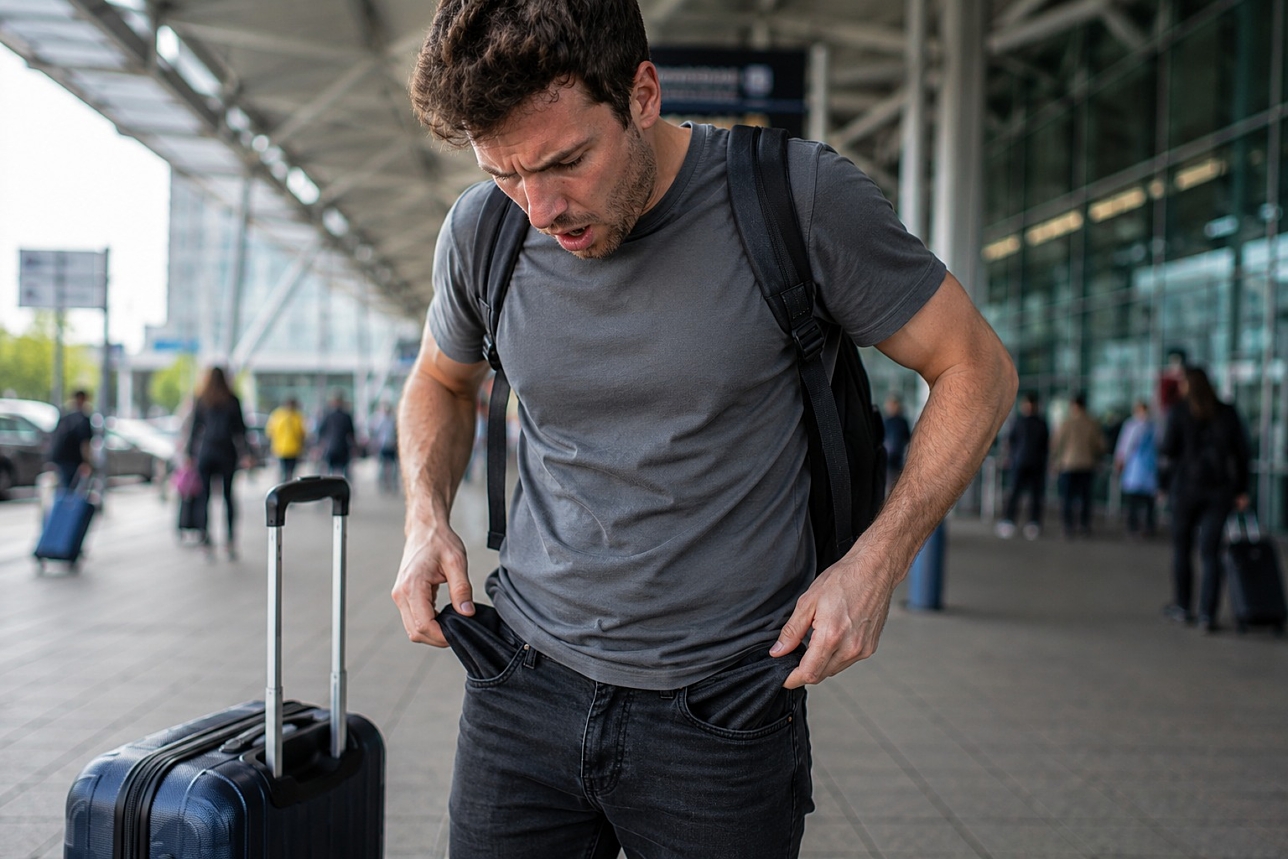
If you cannot recover your phone immediately, remotely locking it should become your next priority. Both Apple and Android allow users to activate a lost mode that prevents unauthorized access while displaying a message on the screen. Adding an alternative contact number or email address can help an honest person return the phone if they find it.
Protect Your Banking And Payment Apps
Modern smartphones often contain sensitive financial information. If your phone has apps like PayPal, online banking or digital wallets installed, you should secure those accounts immediately. Change important passwords and temporarily freeze payment cards if necessary. If you use password managers or cloud storage apps, updating your login credentials quickly can prevent unauthorized access.
Contact Your Mobile Provider
Your mobile provider can temporarily block your SIM card to prevent calls, messages or unauthorized usage. This step is especially important if your phone may have been stolen. Blocking the SIM card also reduces the risk of someone receiving verification codes connected to your accounts. Depending on your provider, you may be able to reactivate your number later using a replacement SIM or eSIM.
Why eSIM Can Make Recovery Easier
One major advantage of eSIM technology is flexibility. Because an eSIM is digital, many users can activate a new mobile connection without visiting a physical store or inserting a new card. This can be especially useful while traveling abroad, where finding the correct SIM card for your provider may be difficult. Companies like Airalo and many major carriers now support eSIM activation directly from an app or QR code.
How To Stay Connected After Losing Your Phone
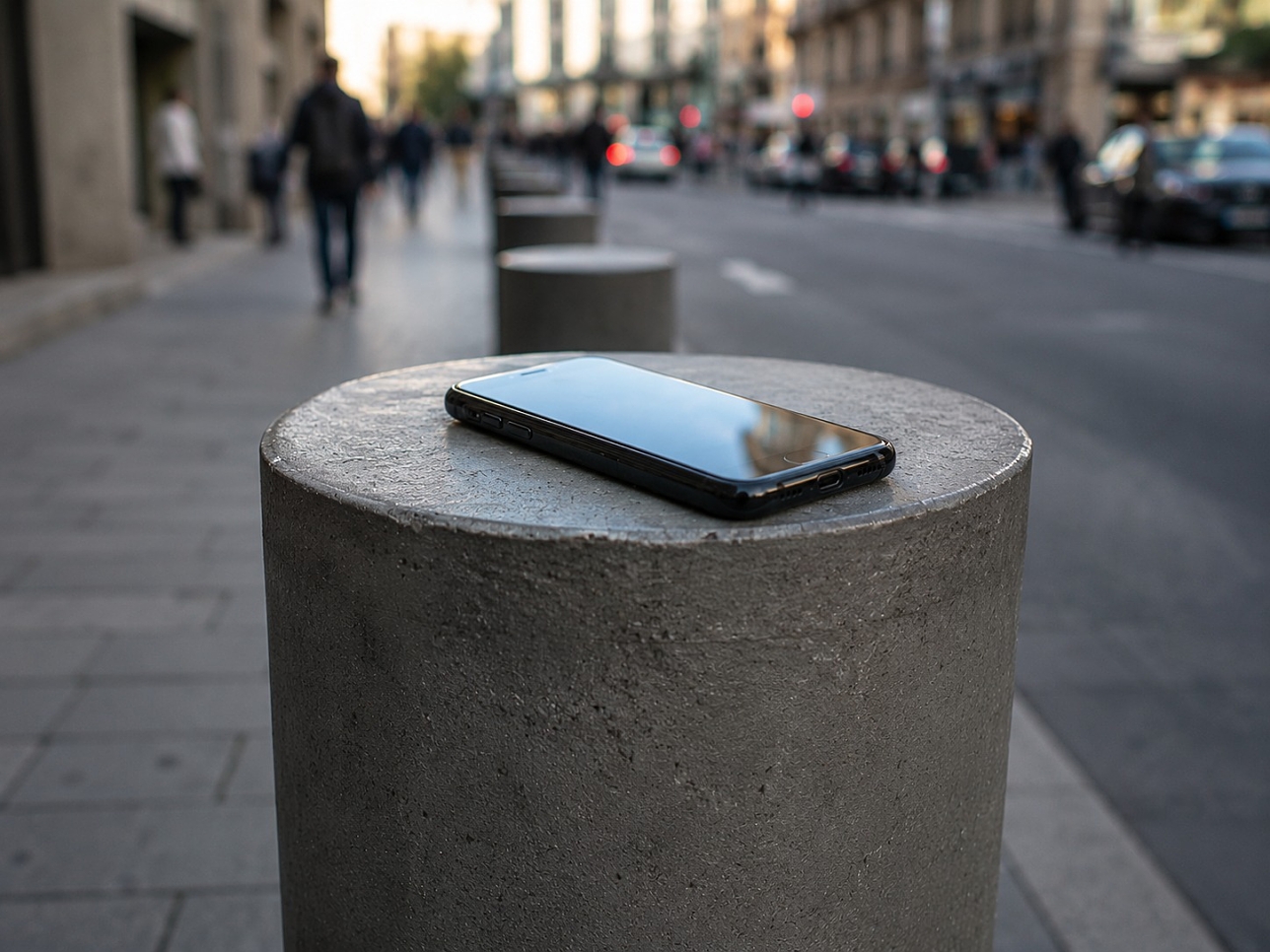
Once the initial panic settles, staying connected becomes the next challenge. Many travelers rely heavily on mobile data for transportation, translation apps and communication. If you temporarily switch to another device, restoring mobile access quickly becomes essential. Services like Mitti can help people top up mobile credit internationally when access to calls or data becomes urgent.
What Travelers Often Forget After Losing A Phone
One of the most overlooked problems after losing a phone is two-factor authentication. Many accounts send verification codes directly to your phone number, which can make logging into email or banking services difficult if your SIM card is unavailable. Travelers also forget how much important information is stored locally, including screenshots of hotel reservations, travel tickets and offline maps. This is why cloud backups are extremely valuable before any trip.
How To Prepare Before Your Next Trip
A few simple precautions can make a huge difference before traveling. Enable phone tracking features before leaving home and make sure you know your account passwords. Back up your phone regularly using services like iCloud or Google One. Consider saving digital copies of passports, insurance information and travel confirmations somewhere secure. Many travelers also keep a backup eSIM option available in case they lose access to their primary SIM card abroad.
Reducing Stress And Staying Safe
Losing your phone abroad is frustrating, but it does not have to ruin your trip. Acting quickly, protecting your accounts and restoring connectivity as soon as possible can significantly reduce the impact. In a world where phones contain so much of our personal and travel information, preparation and fast action matter more than ever.