What is a plumbing inspection?
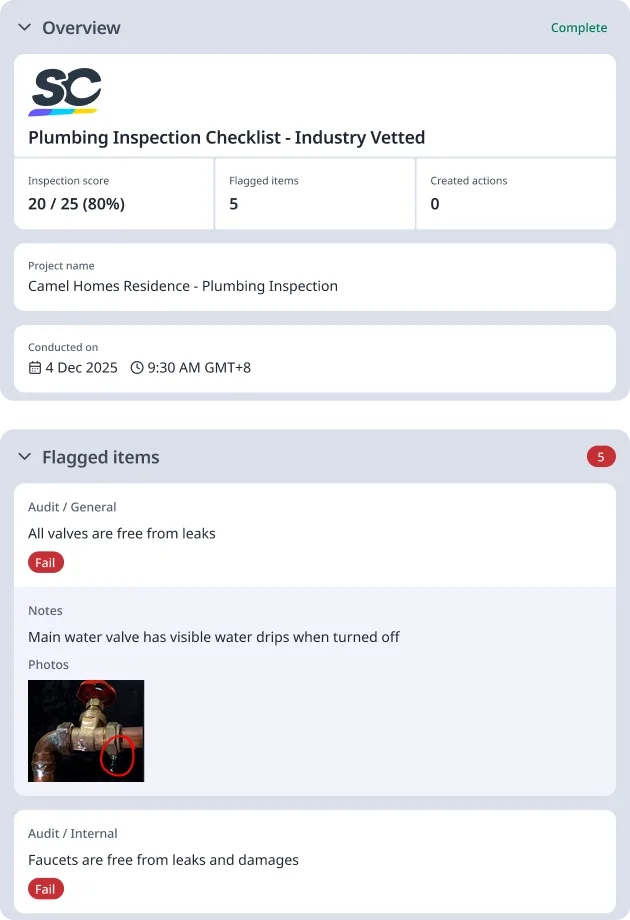
A plumbing inspection is a systematic check of a property's critical plumbing components. It's performed to assess pipes, valves, water heaters, and drains for corrosion, clogs, and leaks that could otherwise lead to flooding or property damage if left unaddressed.
Importance of plumbing inspection
Running regular plumbing inspections keeps systems working smoothly and helps facilities avoid costly, unexpected repairs. To get real value from an inspection, it should cover these objectives:
Catch early problems before they damage pipelines or plumbing systems
Cut down on delays caused by clogs and water leaks
Prevent bigger water damage down the line
Avoid a spike in water consumption bills
Regular inspections also support the water-efficiency standards outlined by the US EPA, since fixing leaks and reducing water waste both cut consumption and protect against the kind of unexpected spikes mentioned above.
Vital Points in Performing Plumbing Inspection
A plumbing inspection should cover every critical component of your plumbing system, including pipes, valves, water heaters, and drains. Your plumber checks each for leaks, corrosion, clogs, and drainage problems, following the workplace plumbing safety expectations set out by OSHA. Here's what to include:
Shut the main water supply - visually check the shut-off valve for defects or damage, and confirm the water meter isn't still reading with the valve shut. This helps you catch hidden leaks.
Check the system is watertight - fill the drainage system to the middle of each tub's trip waste overflow to confirm the seals are holding.
Run a water piping pressure test - turn on the building water service between 75 and 100 psi to confirm the pipelines handle normal pressure, even at the minimum requirement set by the International Plumbing Code.
Check the sewer and drainage lines - assess the line from the property to the curb connection, septic tank, and drainage system for damage, corrosion, or major clogs.
Examine fixtures, supply lines, and drains - confirm every fixture has its own shut-off valve, check for water damage inside and out, and clear any blockages in gutters, hoses, and drains.
What is Involved in a Plumbing Inspection?
Keeping your plumbing in good condition helps you avoid emergency issues like water bursts, gas leaks, or broken lines. Build these checks into your routine:
Check faucets regularly for leaks and damage
Confirm there's no drip when the spigot is off
Check under sinks for water stains or drips while running the water
Unclog slow drains right away
Skip the rubbish, grease, and unused medicine down the drain — they cause clogs
Watch for water stains on walls and ceilings
Keep water pressure at a safe level
Drain the water heater to clear out sediment
Check the toilet for loose fittings, including the flapper
Replace hoses showing cracks, brittleness, or leaks
Skip chemical clog removers — they can corrode pipes
Shut off water valves for outdoor spigots
Clean gutters to prevent water blockage
Inspect septic tanks on a regular schedule
Know your property's structure and keep up with drainage maintenance
Keeping these checks up also protects water quality on your property — the CDC's guidance on building water systems points to poor plumbing maintenance as a common source of water contamination risk.

Still looking for a checklist?
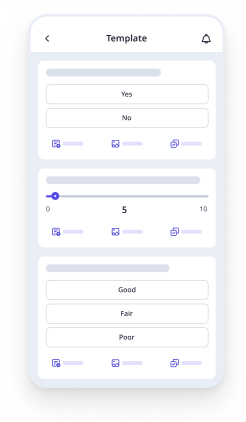
Search, filter, and customize 60,000+ templates across industries and use cases.