





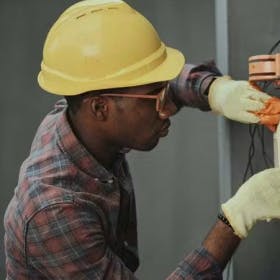




Basic electrical training courses are designed for electricians, electrical engineers, industrial machine operators, mechanics, and many others in similar fields. The topics range from electrical safety and protection to currents and electric circuits, all aiming to give learners a good foundation of electrical concepts and skills.
Electrical training is a key that unlocks the knowledge and skills of your electricians. It equips them with a deeper understanding of safety protocols, precautions, and best practices when working with electrical systems. They learn how to handle electrical equipment and installations safely, reducing the risk of accidents and downtimes and improving their overall efficiency.
Additionally, investing in electrical training keeps your electricians compliant to the building codes and local regulations, making sure their work meets legal standards and passes inspections. It also allows them to stay up-to-date with the latest industry trends, tools, and techniques, making them adaptable and capable of handling modern electrical challenges.
What is basic electrical knowledge?
Basic electrical knowledge refers to the fundamental understanding of electrical principles and concepts that form the groundwork for working with electricity. It guides new electricians through the building blocks of electrical systems, like how to connect wires, understand circuits, and recognize different components.
Having a grasp of basic electrical knowledge is crucial for several reasons. The first one is all about safety. Your electricians will learn about electrical hazards and how to prevent accidents. They’ll know how to handle electrical tools and equipment properly, reducing the risk of electrical shocks and injuries. Safety protocols are emphasized to ensure that they can work confidently in various electrical environments.
Lastly, basic electrical knowledge empowers your electricians to troubleshoot simple electrical problems effectively. They will learn to identify common issues like faulty switches, circuit overloads, or blown fuses. This allows them to provide quick and efficient solutions, saving time and resources for your organization.
Learning electrical fundamentals with basic electrical training
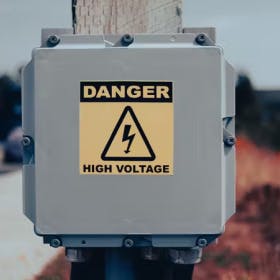
Electricians and other professionals in similar fields are usually exposed to high voltage lines and batteries, live wires, and other high current equipment. Without a grasp on basic electrical fundamentals and safety procedures, working with electricity can cause accidents like electric shocks, burns, explosions, or fires. Some incidents may even be fatal for workers.
Whether you’re managing electricians that work in commercial, industrial, or residential environments, it’s always important to emphasize the risks of electrical work and comply with Occupational Safety and Health Administration (OSHA) standards. With basic electrical training, you can provide workers with all the relevant information they need on electrical maintenance, hands-on processes, circuitry fundamentals, and building electrical systems.
The courses we’ve listed above can be used to keep your workers up to date on new procedures and electrical safety standards. All programs are accessible online, which is perfect for your deskless team!