







We’ve come up with a list of chemical spill training courses to keep your facility and employees safe from chemical spills at work. These courses will inform them of the risks associated with chemicals and the proper response in case of an incident.
Working in an environment with chemicals present poses a unique set of challenges. Unlike in many other professions, minor errors in handling hazardous materials can lead to severe health consequences and significant environmental damage.
Given the diverse nature of chemicals, it’s crucial to select a tailored emergency response training program. This can help your team make informed decisions during a spill and apply the best practices for spill prevention and response.
What is chemical spill training?
Chemical spill training helps safeguard the health and safety of your employees who deal with chemicals in their line of work. This is because many of the chemicals we come into contact with can cause massive harm, environmental damage, and even death.
Through proper chemical spill training, workers can recognize chemical hazards early on, prevent them from happening, and respond to accidents effectively. Your selected training course should cover these key topics:
Chemical hazards:
Regulatory compliance:
Use of personal protective equipment (PPE)
Spill prevention strategies:
Emergency response protocols
How to handle chemical spillage
Handling chemical spills effectively is vital for maintaining safety in any environment where hazardous materials are present. Your team should follow these steps to contain the incident:
Assess the situation: First, evaluate the size and type of the spill. Figuring out what chemicals are involved helps determine the appropriate response and safety measures needed.
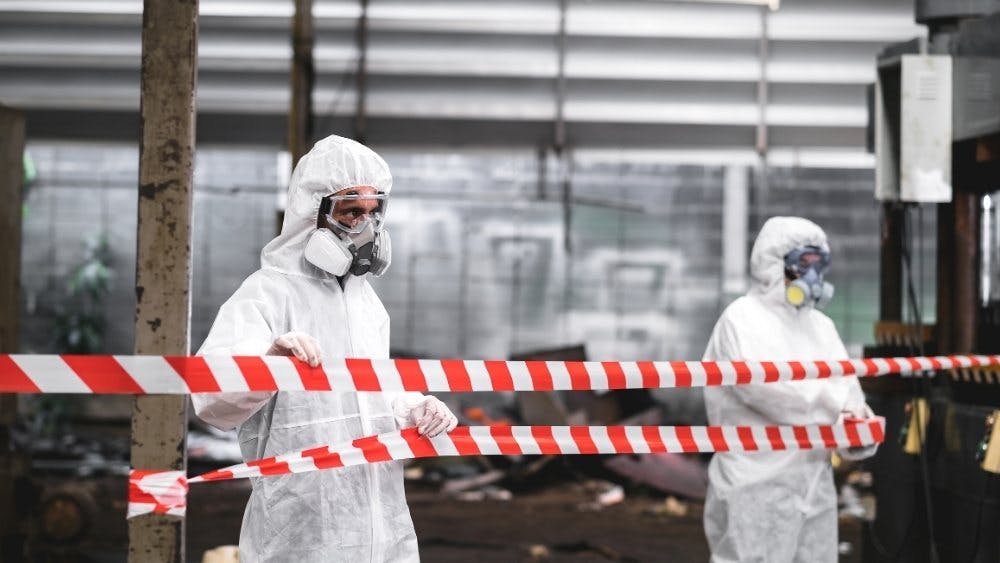
Wear the right PPE: Before approaching the spill, remind your team to wear the correct personal protective equipment (PPE). This includes gloves, goggles, and respirators.
Alert other workers: Notify other departments or crew members in the area about the spill. This alerts them of the potential hazards so they can take necessary precautions.
Contain the spill: To contain the spill, your team must use absorbent materials, barriers, or containment booms to prevent its spread. This helps minimize the area affected and reduces environmental impact.
Clean up the spill: Follow your organization's established spill response plan. This means carefully removing the spilled substance using appropriate methods, such as absorbents or specialized cleaning agents. Remind them to dispose of any hazardous waste properly.
Report the incident: The final thing to do is report the spill. Make sure to include details like the chemical type, amount spilled, and response actions taken. This is especially useful in reviewing and improving future spill response protocols.
Avoid unwanted accidents at work with chemical spill training
Given the daily demands of the job, prioritizing an extra layer of safety for your team is essential. Working with chemicals regularly presents various risks, so it's crucial to equip your employees with the knowledge and skills to tackle unforeseen challenges effectively.
Comprehensive spill response training not only increases awareness of potential workplace hazards but also enhances confidence in your team. This preparation helps safeguard their well-being and allows them to return home to their families safely each day.
Commit to workplace safety by investing in your team's chemical spill training. Sign up for Mitti (by SafetyCulture) today.