






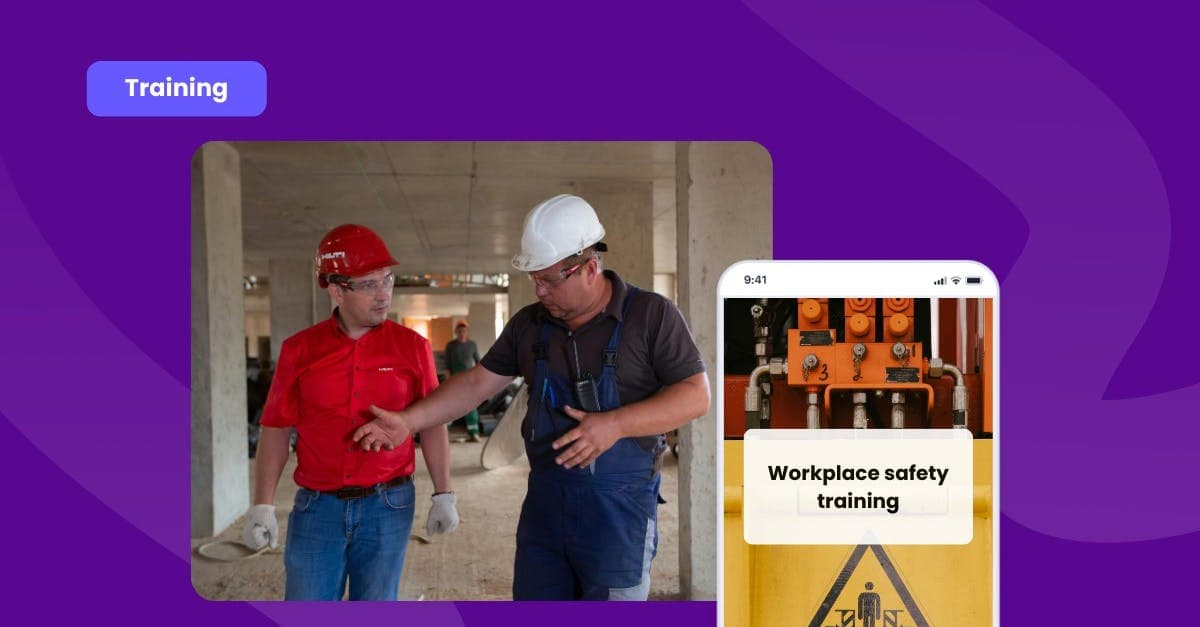

We've gathered 10 courses to improve the environment, health, and safety knowledge of your workers to minimize injuries and accidents in the workplace. These EHS courses will equip your employees with the necessary skills to perform their jobs safely. Keep scrolling to learn more.
EHS training courses are essential for the safety and well-being of employees in the workplace. They foster a culture of safety, allowing employees to work confidently. This way, they can focus on their tasks without disruptions from hazards and complete more jobs.
Additionally, organizations prioritizing EHS principles can reduce their costs and save on indirect expenses. These companies can enjoy lower insurance premiums and decreased legal liabilities. Overall, EHS programs are crucial for the overall success of any business.
What is EHS training?
Environmental, Health, and Safety or EHS training teaches employees essential knowledge about workplace hazards and safe practices. This training covers various skills, regulations, and procedures, allowing everyone to contribute to a secure workplace.
EHS safety training empowers workers to take proactive steps to avoid accidents. It equips your employees to minimize risks and prioritize health, ultimately leading to a more efficient and productive team.
How to get EHS certification
Here’s a simple guide to help your crew earn their EHS certification and enhance their expertise:
Research Certification Options: Explore the different EHS certifications available. Popular options include the Certified Safety Professional (CSP) and the Occupational Health and Safety Technician (OHST). Each certificate has specific requirements, so choose one that aligns with your organization’s goals.
Meet Educational Requirements: Most certifications require a certain level of education. Typically, a degree in a related field, like environmental science or occupational health, is necessary.
Gain Relevant Experience: Hands-on experience is crucial. Many certifications require workers to have a minimum number of years working in EHS roles. This practical experience helps reinforce concepts in real-world situations.
Complete Training Programs: Enroll in training courses that cover essential EHS topics. These programs cover valuable insights and prepare teams for the certification exam. It’s best to look for courses recognized by the certification body.
Maintain Your Certification: After earning certification, remember that it often requires continuous learning to stay current. Offer workshops, seminars, or additional courses to help your workers keep their skills sharp and maintain their certification status.
Prepare your workers for occupational injuries with EHS training courses
EHS or Environmental Health and Safety is all about making sure that any work done doesn’t cause or risk any harm to the environment. It also protects the health and safety of workers as well as the larger community from workplace hazards.
EHS training courses will help you ensure compliance with existing environmental health and safety regulations, and provide a safe working space for your workers while protecting the environment. This training is crucial to help prevent and mitigate hazards, injuries, and environmental damage and give everyone peace of mind while working.