







Manufacturing sites present various safety risks due to the nature of the tasks, equipment, and materials involved. While prevention through safety systems is ideal, teams must also be prepared to evacuate during emergencies. Equip your teams for resilience with these 10 emergency evacuation training courses.
What is emergency evacuation training?
Emergency evacuation training is a program that equips your team with the skills and knowledge needed to respond swiftly and effectively during emergencies and crisis situations. Your staff can learn to remain calm under pressure, follow evacuation protocols, and assist others in need.
What are the five key instructions in an emergency evacuation?
To secure a swift and safe evacuation for everyone involved in times of emergency or crisis situations, your team needs to be familiar with the so-called five key instructions in an emergency evacuation:
Stay calm. Panicking can lead to confusion and hinder a swift and safe evacuation. By remaining calm, individuals can think clearly and follow instructions effectively.
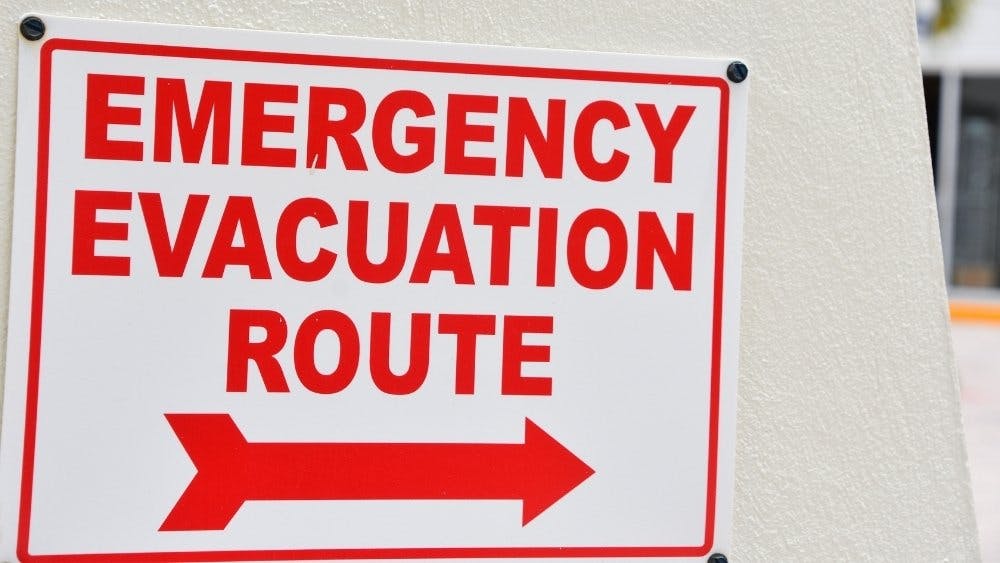
Pay close attention to exit signs and follow the designated evacuation routes. These signs are strategically placed to guide them through to the nearest and safest exits.
Avoid using elevators during evacuations and opt for stairs whenever possible.
Assist those who may require help during the evacuation, such as elderly individuals, people with disabilities, or young children.
Gather everyone at the designated assembly area. This allows emergency responders to account for everyone and ensure no one is left behind.
What are the benefits of emergency evacuation training in manufacturing?
Emergency training and evacuation drills allow your workers to adapt to various circumstances. As a result, your site can minimize the impact of incidents. Let’s break that down further below:
Enhanced safety awareness: Trained employees recognize emergency signals, memorize evacuation routes, and maintain a calm and alert mind.
Effective and swift response: Crew members are empowered to administer first aid and contact first responders, which can shorten injury recovery time.
Reduced damages to assets: Proper emergency handling and evacuation can quickly de-escalate crises, resulting in fewer losses to equipment and facilities.
Shorter downtimes: Effective emergency evacuation isolates hazards, diminishing production limitations. This allows people to return to work quicker.
Regulatory compliance: Delivering evacuation training satisfies various occupational safety requirements for emergency action plans, procedures, and drills.
Prepare for workplace emergencies with emergency evacuation training courses
Regardless of the industry or sector, all organizations need to be able to respond to workplace emergencies in a speedy manner to mitigate risks of injury or death. Companies must always be prepared to evacuate immediately from dangers such as fires, toxic gas or chemical spills, severe weather like storm and tornado, or even security threats like bombs and terrorist attacks.
To achieve this, you must have a clear emergency response plan in place and give your employees the necessary emergency evacuation training. With proper preparation and training under their belts, employees will be able to respond quickly and more confidently to emergency situations and emergency notification, assess their environment, evacuate without panicking, and ensure that everyone is accounted for.
To help you get started, take advantage of our list of emergency evacuation training courses to find topics that you can deploy to your own teams.
Develop resilient and adaptive teams that can effectively respond to any risks. Sign up for Mitti (by SafetyCulture)!