




The safety of your teams should be second to none. Through bloodborne pathogens training, you’re protecting your employees, while at the same time, protecting your clients and customers.
Effective bloodborne pathogens training prioritizes prevention by teaching you the ropes of handling potentially infectious materials, wearing PPEs, and covering essential information on the science behind the spread of these pathogens.
What is bloodborne pathogen training?
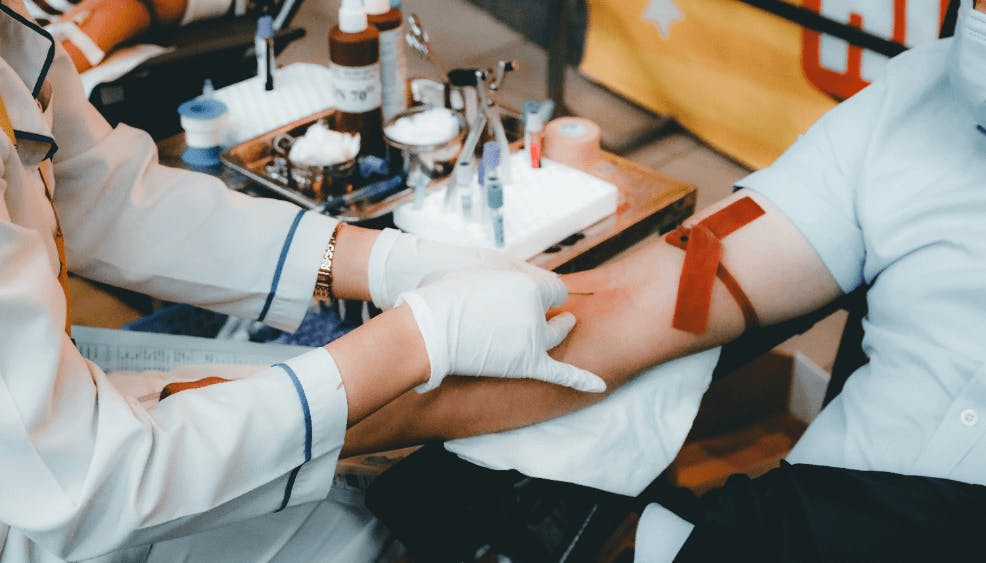
If your teams need to work with needles or deal with blood, it’s crucial to make bloodborne pathogen training a part of your regular workplace safety program.
Bloodborne pathogen (BBP) training is designed to reduce the risk of job exposure to bloodborne pathogens for employees in many industries, including health professionals, tattoo artists, and some housekeeping personnel.
In a nutshell, bloodborne pathogens are viruses or bacteria present in blood and certain body fluids that carry diseases and pose health risks to anyone exposed to them.
Does OSHA require bloodborne pathogen training?
Yes! Under OSHA’s bloodborne pathogen standards, all employers whose teams are often exposed to blood, body fluids, and other potentially infectious materials (OPIM) should conduct a yearly bloodborne pathogen training.
What is the OSHA standard for bloodborne pathogens for employees?
To ensure safety in the workplace, OSHA sets and enforces rules and guidelines through training, education, and assistance. For bloodborne pathogens, OSHA released an in-depth standard dedicated to protecting you and your teams from potential exposure.
OSHA’s Bloodborne Pathogens Standard is your playbook for everything you need to know about BBP in the workplace. Some key points highlighted in this standard include the elements that should be found in an exposure control plan, methods of compliance, PPE requirements, and handling practices for blood, contaminated sharps, and OPIM.
Prioritize workplace safety with bloodborne pathogens training
In the case of bloodborne pathogen training, workplace training becomes a matter of life and death. Data from the CDC show that 5.6 million workers face the risk of being exposed to bloodborne pathogens.
The good news is that exposures are completely preventable! Bloodborne pathogen training is the best defense against the spread of BBP in the workplace. Teams that have undergone bloodborne pathogens OSHA training are equipped with the knowledge of how to protect themselves and their co-workers, leading to a safer and healthier workplace.
Protect your teams using the best BBP training tool! Sign up with Mitti (by SafetyCulture) today.