What is a safety culture assessment?
A safety culture assessment is an organized, systematic way to evaluate how an organization values, perceives, and practices safety. It looks at attitudes, behaviors, and the systems that manage day-to-day safety, and helps spot gaps between what a workplace says about safety and what actually happens on the ground.
Why does safety culture assessment matter?
Safety culture can be defined as a culture that prioritizes employee safety above all else. It's not just about following procedures. It includes having safety-centered beliefs, having regular conversations about safety, and encouraging employees to have a positive attitude toward safety.
A strong safety culture prevents accidents, reduces injuries, and boosts morale. That drives productivity and lowers operational costs. Platforms like Mitti (by SafetyCulture) help teams turn assessment findings into tracked corrective actions instead of static reports that sit unread.
To measure safety culture, most organizations run a survey, questionnaire, checklist, or observational report. ISO 45001:2018 provides the international benchmark for occupational health and safety management systems, and is widely used as the framework against which safety culture maturity is assessed (ISO).
How to conduct a safety culture assessment using a checklist
A safety culture assessment checklist works best when it pulls together more than one method. No single approach tells you the whole story, so use this checklist to cover your bases:
Send surveys and questionnaires to get a read on attitudes across the whole workforce
Run interviews and focus groups to dig into specific teams or recurring issues
Walk the floor and observe how people actually work, then check that against written policy
Review incident reports, training records, and policy documents for gaps or patterns
Check off frontline input early, not just management sign-off. That's usually where you'll find the biggest gap between what leadership assumes is happening and what's actually happening day to day — and it's often the most useful finding in the whole assessment.
How to score and interpret your assessment results
Once you've collected your data, score each area against a maturity scale rather than a simple pass or fail. Most organizations land in the early-to-middle range on their first assessment, and that's normal. The score matters less than having a clear baseline to track improvement against over time.
The most common gaps assessments turn up are weak leadership visibility, low employee participation in reporting, and inconsistent follow-through on corrective actions.
What to include in a safety culture assessment checklist
Different organizations and types of workplaces will have different safety cultures. However, they all typically assess the same core areas, including but not limited to the following:
Leadership commitment and visible accountability
Employee involvement and open, two-way communication
Policies in place
Duties of specific workers to ensure workplace safety
Health policies
Risk management and control
A typical safety culture assessment checklist covers the following:
Status of policies in place
Communication procedures for policies, rules, and regulations
Allocation of responsibilities to the right personnel
Purchasing requirements and controls
Contractors' status and relationships
Risk management procedures
Processes for:
Manual tasks
Hazardous substances and their handling
Equipment
Workplace environment and stress management
Training practices
Accident and injury reporting and investigation
Emergency planning and procedures
OSHA's Safety and Health Management Systems guidelines outline the core elements management commitment, worker participation, and hazard identification that a safety culture assessment should evaluate (OSHA).
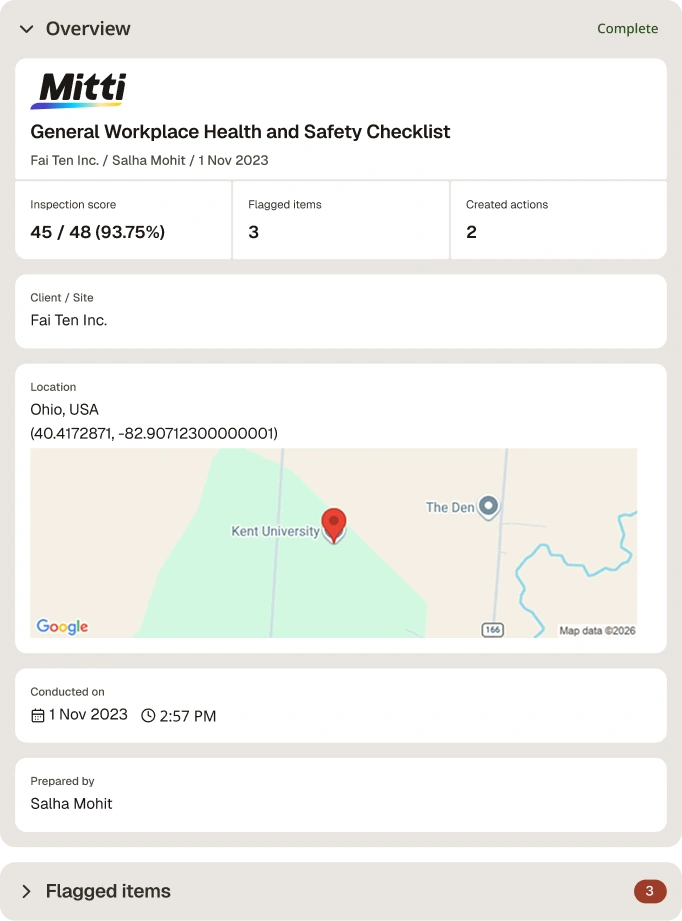
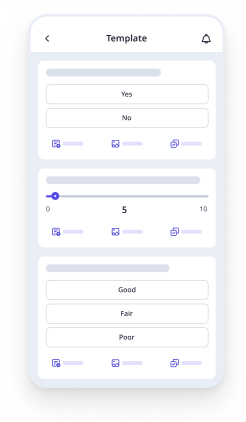
Here is a sample safety culture assessment form in use:


Still looking for a checklist?
Search, filter, and customize 60,000+ templates across industries and use cases.