Identify hazards, manage risk and build a stronger safety culture.
769 articles
Learn about safety competency in the workplace, its importance, components, and strategies to develop essential skills across industries.
Learn the basics of lockout/tagout procedures and determine what best practices you should follow to keep your workers safe.
A close look at National Injury Prevention Day in Canada, from what it is, to its importance, and different ways to reduce injuries in the workplace.
Discover how you can use smart farming to boost agricultural productivity and sustainability using sensors, drones, and other technologies in the field.
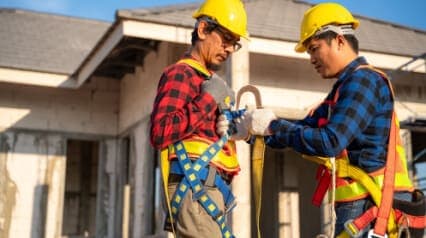
Discover the common construction hazards and how best to reduce the risks associated with construction work.
Learn what kitchen maintenance is, why it’s important, and the best kitchen maintenance tips to improve your team’s maintenance routine.
Learn what technology risk management is, its importance, different types, frameworks, and best practices for mitigating tech risks.
Learn more about GLOBALG.A.P.; their certification process and benefits; and how to comply with GLOBALG.A.P. standards.
OSHA's scaffolding standard requires employers to protect their employees in the workplace. Here are some of the scaffolding requirements to look out for.
Learn more about World Antimicrobial Resistance Awareness Week and how to celebrate it in an occupational setting for workplace safety.
Learn how to conduct essential safety measures to prevent slips, trips, and fall accidents at work.
Learn more about Safe Work Australia, its role, goals, and importance to workplace and worker safety.