












Companies rely on a variety of tools and strategies to stay on top of their game. And one such tool has always been regarded as a must-need – the training manual.
A well-structured training manual serves as a valuable tool for companies of all sizes. It helps everyone in your team know how to do their job the right way. It keeps things consistent and organized, making sure that they all follow the same procedures and protocols set by your organization. This reduces confusion and helps your team to work better.
Additionally, a training manual serves as a reference guide that can be accessed whenever someone needs a refresher on a product or service, or how certain tasks are performed. This is useful for both new hires and experienced staff.
In this article, we’ll discuss training manuals - what they are and why they’re important for companies. We’ll also learn more about the different types you should be familiar with, and we'll also check out some examples of training manuals that you can use right away.
What is a training manual?
A training manual is a comprehensive document that gives step-by-step instructions on how to perform specific tasks or processes within an organization. It serves as a guidebook that shows employees the right way to carry out their jobs.
These resources can cover a wide range of topics, such as job responsibilities, operational procedures, safety protocols, customer service guidelines, and more.
Training manuals are typically used to train and onboard new hires, although they also serve as a refresher document for existing employees. The purpose of a training manual is to make sure everyone knows what to do and does it in the same way. This helps the company run smoothly and allows employees to perform their roles effectively.
Creating training manuals has never been easier or more exciting than with Mitti (by SafetyCulture). Take your learning materials to the next level – join us today to get started!
Uncovering the different types of training manuals
There are several different types of training manuals that companies may use based on their specific needs and goals. Some of the most common types are:
Orientation manuals - They’re used for onboarding new employees and introducing them to the company's culture, policies, and procedures
Job-specific manuals - They focus on the specific tasks and responsibilities of a particular job role.
Technical manuals - They’re used to train employees on technical skills, such as operating machinery, using software programs, or performing technical procedures.
Safety manuals - They outline safety protocols, emergency procedures, and guidelines to minimize risks and guarantee a safe working environment.
Customer service manuals - These manuals aim to guide customer-facing employees and teach them the best practices for delivering excellent customer service.
Sales and marketing manuals - They serve as a guide for sales and marketing representatives, teaching them strategies, product knowledge, sales scripts, and tips for building customer relationships.
Compliance and policy manuals - These manuals outline information on legal and regulatory requirements that employees need to follow.
10 Examples of a training manual that you can download for free
Below, we'll check out some great examples of training manuals that are both editable and free for up to 10 users. You can use them as they are, or treat them as training manual templates. Customize them to suit your specific training needs, or rebrand them for a more personalized learning experience.
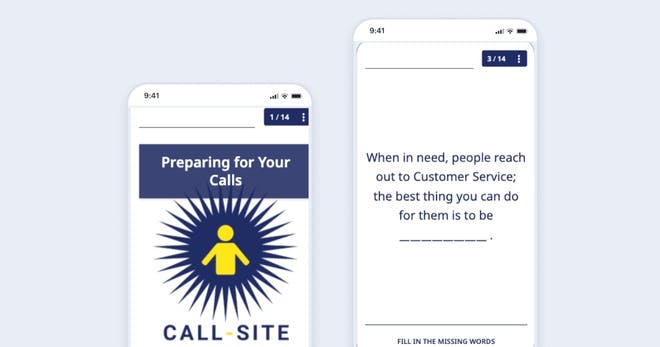
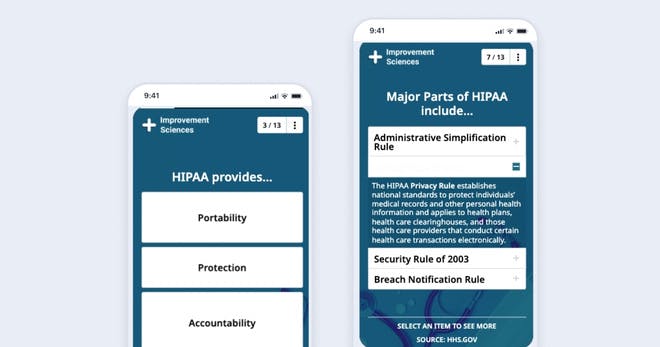
The best part is, these manuals are accessible through mobile devices. And spoiler alert: they’re designed using one of the best training portals available today – Mitti (by SafetyCulture). These manuals come with interactive lessons and game-based quizzes, making sure that your staff will be engaged throughout their training.
What should be included in a training manual?
While the specific content of a training manual will depend on the nature of the training and the target audience, here are some general elements that should be included:
Introduction - Start by explaining what the training is about and who it is for. Tell the learners why understanding the training manual is important.
Learning goals - Clearly state what the trainees should be able to do after reading the training manual. Give them an idea of how this training will help them perform their tasks better.
Content - Present the core content of the training manual in a logical and organized manner. Break down the training material into smaller sections. Use headings, bullet points, and examples to make it easier to understand.
Step-by-step instructions - If there are practical tasks or procedures involved, give clear instructions with images or diagrams. Make sure the instructions are easy to follow.
Quizzes and activities - Include interactive exercises or activities to help the trainees practice what they have learned. For online training manuals, adding quizzes between your lessons will help your team better retain the information from your training manual.
Tips and best practices - Share helpful tips and techniques related to the training topic. These can come from experts or real-life experiences.
Key takeaway
Training manuals are invaluable tools for organizations looking to educate and empower their employees. They offer clear guidance, tips and recommendations, and step-by-step instructions to help your new and experienced staff perform their tasks efficiently and effectively.
This article has listed examples of training manuals by Mitti (by SafetyCulture) that you can use right away with your team or as a starting point to create your own manual. They’re mostly editable, and you only need to sign up with the platform to start using these manuals.
Say goodbye to dull and ineffective training manuals! With Mitti (by SafetyCulture), you can create training materials that make a true impact!