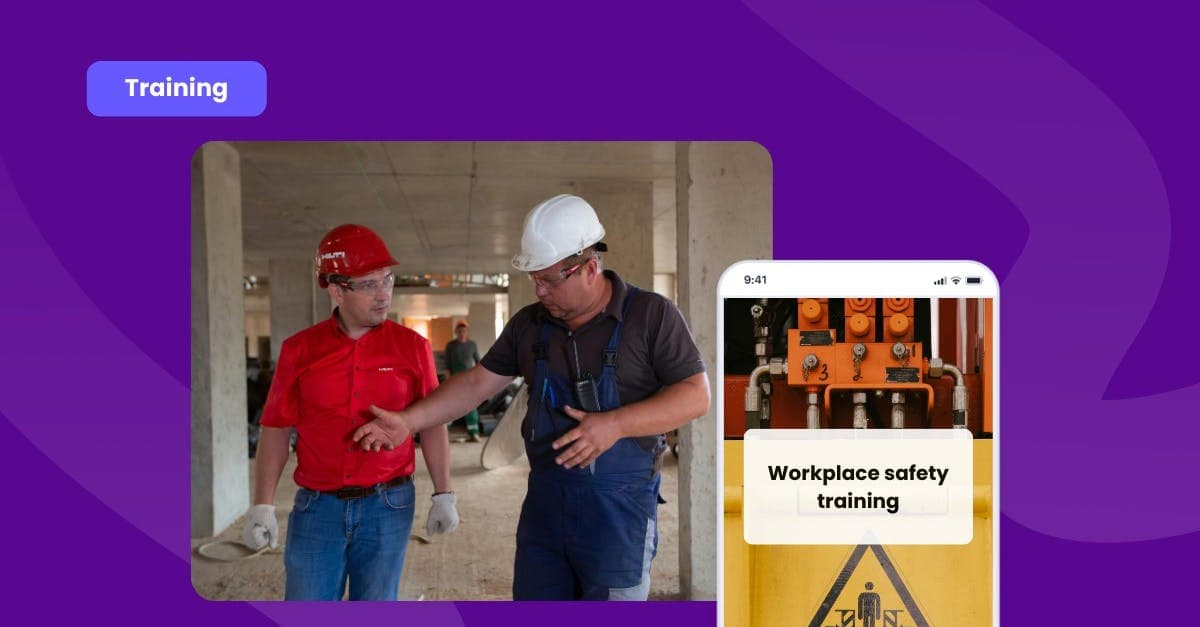
Working in the construction industry comes with a lot of health and safety risks. Teams usually work at heights, deal with heavy machinery, and are near hazardous materials. The manual and physical labor involved in the job also poses a significant danger and may increase the chance of injuries.
The good news is that these risks are preventable and can be minimized with the right training. More than just ticking a box on a compliance form, it’s important to uphold your commitment to your team’s safety by giving them the training they need so they can come home safe and sound every day.
What is a construction health and safety certificate?
A construction health and safety certificate is an official document to prove that an employee has undergone the training needed to handle the many hazards that come with being a construction worker.
Certificates can be provided by in-house trainers, digital training platforms, or regulatory agencies such as the Occupational Safety and Health Administration (OSHA). Whether it's for scaffolding training or a fall prevention course, getting certified is essential to keep teams in construction safe from potential hazards, so they can always be at the top of their game.
How to develop health and safety training in construction
Creating a health and safety awareness course shouldn’t be complicated. With a proper plan and the right tools, equipping your teams with the skills and knowledge they need to remain safe will be a breeze. Here’s a quick guide on how to get started:
Identify risks and compliance requirements - Assess what specific hazards are present in your construction sites and determine what risks your teams are dealing with. It’s crucial to review government regulations, industry standards, and company policies to grasp your training needs.
Define specific goals - Identifying risks and requirements should help you narrow down what needs to be addressed in training. Draw from your needs assessment to define clear and measurable objectives for what your construction training should achieve.
Design and develop the training program - Decide on what training method will be the most effective for your teams and your needs. It’s helpful to prepare checklists and forms to make sure you don’t miss anything. Use the features of digital training platforms to train, track, assess, and get free construction certifications online.
Implement training - Roll out training and encourage active participation through constant updates and reminders. Guarantee your course’s accessibility and help your teams understand the “why” behind training to engage them better.
Evaluate and improve - Collect feedback, track progress, and assess if information gained in training is reflected at work. It’s also important to note any safety incidents to know if extra training is necessary. Improve your training program based on the information you’ll gather from these.
Build with confidence by investing in construction health and safety
Safety is a make-or-break factor in the construction industry. No matter the project’s scale and how experienced your workers are, neglecting health and safety protocols and not prioritizing training can lead to costly setbacks and dangerous accidents.
Make a smart move by diving into effective health and safety training—it's the best way to create a safer workplace and tackle risks head-on. Lay the foundation for success by training teams to secure their construction health and safety certificate. Sign up with Mitti (by SafetyCulture) today!