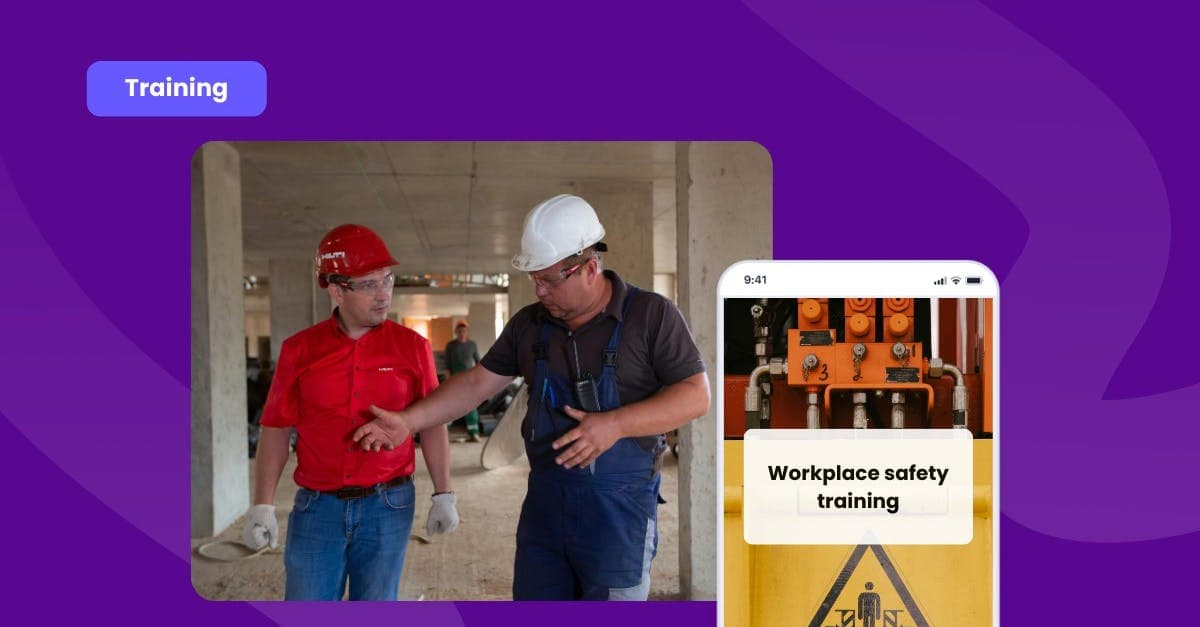
Up to this day, the construction industry continues to be one of the most dangerous industries to work in. In 2022 alone, almost half (47.7%) of all fatal slips, trips, and falls reported were from the construction industry. Workers are also exposed to other hazards like harmful substances, falling debris, and damaged flooring.
A reliable industrial hygiene training can help prevent workplace accidents. This reduces costs on compensation claims and medical expenses. It’s also a way of complying with workplace safety laws and regulations, saving you from lawsuits, fines, and even reputational damage.
What is industrial hygiene training?
Industrial hygiene training is given to employees so they can learn to address workplace hazards that could negatively impact their health and safety. It teaches them to manage risks from the moment they’re first detected. This leads to smoother operations and minimizes project downtime.
Reputable safety organizations have listed the following essential topics for an effective industrial hygiene training:
Basic principles, terminologies, and the fundamental role of an industrial hygienist in workplace safety
Recognition and evaluation of the five major hazards: airborne, biological, ergonomic, chemical, and physical
Hierarchy of Controls
Worksite analysis
Emergency procedures and exposure response protocols
How to become a certified industrial hygienist
To get an industrial hygienist certification, you must pass the following qualifications outlined by the Board for Global EHS Credentialing:
1. Education requirements
A bachelor’s degree or higher in science, technology, engineering, or math (STEM).
At least 60 semester credit hours of science, math, engineering, or science-based technology courses. At least 15 hours of this must be at the junior, senior, or graduate level.
180 academic contact hours (or 240 continuing education contact hours) of industrial hygiene coursework . At least half of these hours must cover fundamentals such as toxicology, industrial hygiene basics, measurements, and controls.
Two contact hours of ethics training as part of the coursework
2. Professional experience
Minimum of four years (48 months) of professional-level experience in industrial hygiene or occupational and environmental health and safety (OEHS)
Exposure to at least two occupational health stressors. This could be any of the chemical, physical, biological, or ergonomic workplace hazards.
12 months of industrial hygiene practice prior to your application
At least two professional references from a certified industrial hygienist you’ve worked with and a supervisor or professional who can vouch for you
4. Assessment and payment of fees
Pass the CIH exam. This is a 5-hour assessment with 180 multiple-choice questions. It covers a broad range of industrial hygiene topics like air sampling, toxicology, ergonomics, engineering controls, noise, radiation, and more.
Agree to the BGC Code of Ethics and Ethics Case Procedures and pay the required fees within the deadline.
Train your team to be the frontline defense against workplace hazards
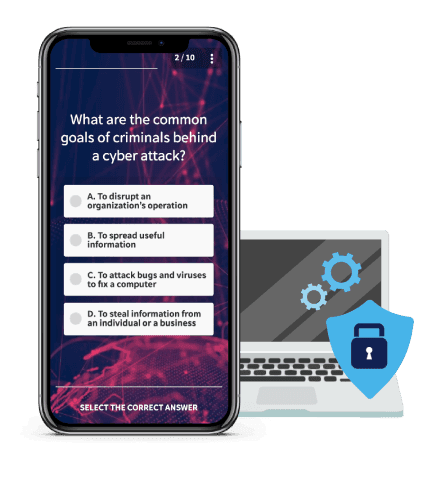
There are plenty of training courses that can polish your team’s industrial hygiene knowledge. However, not all of them might fit your team’s unique needs. Mitti (by SafetyCulture) packs a ton of features to keep your industrial hygiene training relevant to your team’s needs and experiences.
Editable course templates: Deliver the content you need without starting from scratch. Tweak lessons, add company-specific examples, or highlight particular hazards your team encounters to make the training truly your own.
Create with AI: Generate custom training content in seconds. Input key topics and materials that matter most to your team and let AI do the heavy lifting.
Briefcase: Store, organize, and quickly access all your industrial hygiene resources in one place. With essential training materials at their fingertips, your team can quickly grab what they need.
Reporting and analytics: Make sure your training is always hitting the mark. Get insights from quiz scores and engagement levels to see how you can fine-tune your training better.
Ditch the one-size-fits-all courses and deliver industrial hygiene training built for your team’s needs. Join Mitti (by SafetyCulture) today.