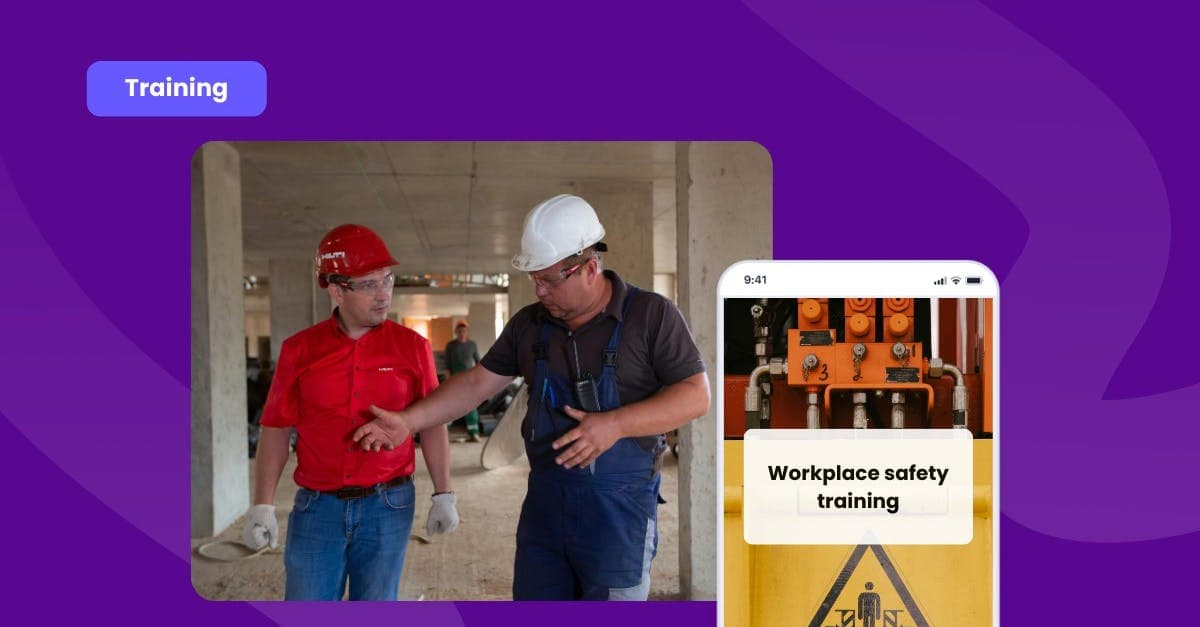


HSE courses refer to Health, Safety, and Environment courses that focus on training your employees about employee safety training, best practices, regulations, and procedures. This allows you to create a safe working environment and guarantee the well-being of your workforce.
They also play a critical role in promoting safety and well-being by equipping your teams with the knowledge to prevent accidents and injuries in various settings.
If an organization neglects to take HSE courses and online safety certifications and fails to prioritize health, safety, and environmental concerns, it can lead to severe consequences and risks. Without proper training and knowledge, employees may not be aware of potential hazards in their work environment, leading to an increased likelihood of accidents, injuries, and even fatalities.
This not only jeopardizes the well-being of the workforce but also results in potential legal liabilities and costly lawsuits for the organization. Additionally, non-compliance with safety and environmental regulations can attract penalties and fines from regulatory authorities, tarnishing the organization's reputation and credibility.
What are the 5 fundamentals of HSE?
The five fundamentals of HSE (Health, Safety, and Environment) are core principles that serve as the foundation for promoting a safe and sustainable work environment. These fundamentals are essential for organizations and individuals to guarantee the well-being of people and the protection of the environment. The five fundamentals of HSE are:
Risk Assessment and Management: Conducting thorough risk assessments is crucial to identify potential hazards and risks in the workplace or any operational setting. By assessing risks, organizations can implement effective measures to mitigate and manage them, securing the safety of employees and others.
Compliance with Regulations: Adherence to health, safety, and environmental regulations is non-negotiable. Organizations must comply with local, national, and international standards to ensure that their operations meet the required safety and environmental protocols.
Training and Education: Providing comprehensive HSE training to employees is essential. Equipping them with knowledge about safety practices, emergency response procedures, and environmental conservation measures empowers them to act responsibly and prevent accidents or incidents.
Incident Investigation and Reporting: When incidents occur, conducting thorough investigations helps identify root causes and prevent recurrences. Organizations must have robust reporting mechanisms to encourage open communication about near misses and accidents, enabling them to take corrective actions promptly.
Continuous Improvement: The HSE journey doesn't end with initial measures. Emphasizing continuous improvement is crucial to adapting to changing circumstances, technological advancements, and emerging risks. Organizations must regularly review and update their HSE practices to maintain a safe and sustainable work environment.
These five fundamentals serve as guiding principles for organizations and individuals alike, fostering a strong safety culture, protecting the environment, and promoting overall well-being in all aspects of life and work.
Create safe working environments with free online HSE courses with certificates
HSE courses help your organization meet legal requirements, manage risks, and prioritize the safety of employees. By instilling a culture of safety consciousness, these courses contribute to safety in the workplace, efficient operations, and building trust with stakeholders.
Additionally, for individuals pursuing careers in safety management, HSE courses give valuable expertise and certifications to enhance their professional skills and make a positive impact on their careers and the communities they serve.