
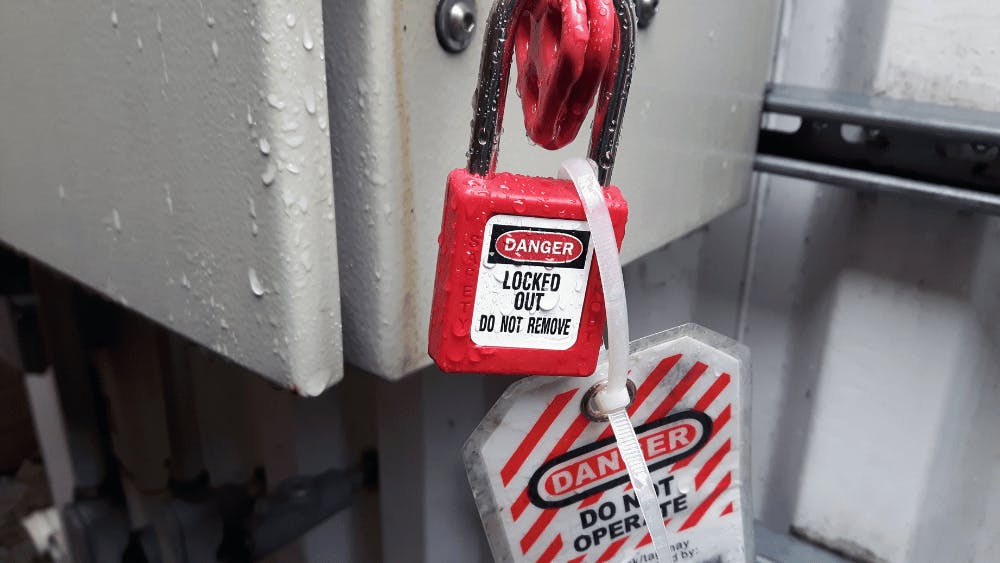









Manufacturing equipment must be completely turned off or safeguarded when being cleaned, repaired, or inspected. Lockout tagout (LOTO) procedures are essential in making sure these machines don’t cause a disaster. We’ve rounded up 10 lockout tagout training courses to teach your team all they need to know about LOTO.
Accounting for 1,977 violations in FY. 2022, lockout tagout is one of the top ten frequently violated OSHA standards in the workplace. But with every violation, businesses risk the well-being of their most valuable asset: their workers.
If you’re managing a manufacturing facility or a maintenance team, nothing’s more important than making sure your employees stay safe on the job. That’s where LOTO training comes in.
What is LOTO training?
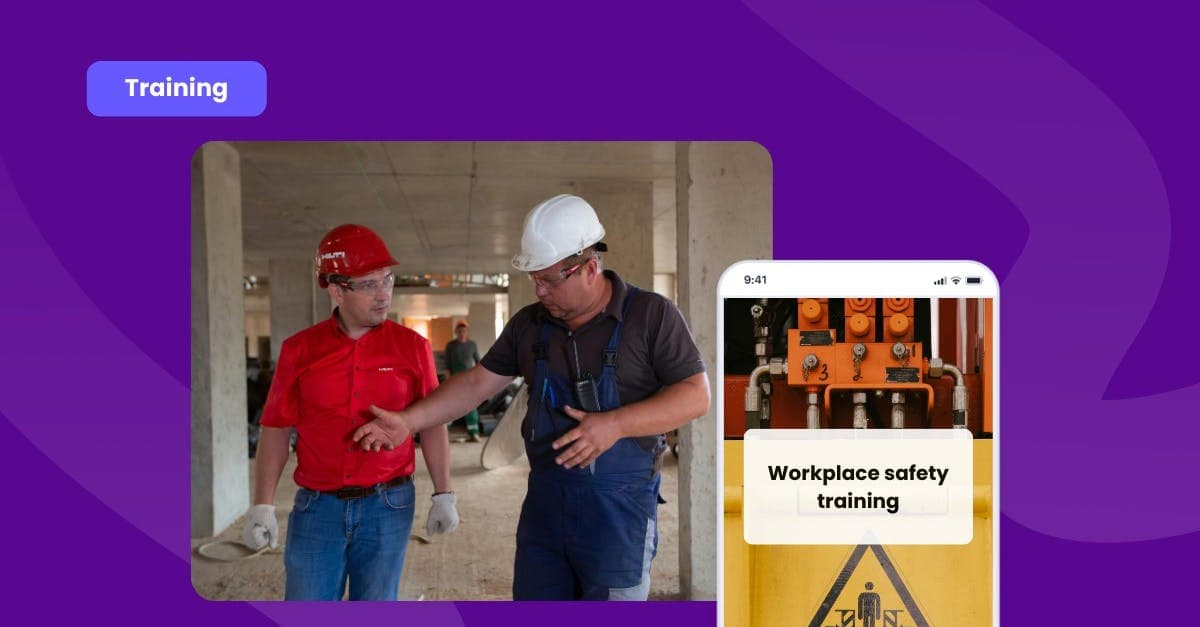
LOTO training equips your workers with the knowledge and skills to safely navigate hazardous equipment or machinery. Since they’re tasked with performing maintenance, repair, or servicing activities, understanding the ins and outs of energy-control procedures should be at the top of their priority list.
During LOTO certification training, employees learn about the different aspects of lockout tagout. Some of the common training topics include:
Identifying hazardous energy sources, such as electrical, mechanical, hydraulic, pneumatic, and thermal energy.
Lockout tagout procedures including shutting down equipment, isolating energy sources, applying locks and tags, and verifying the effectiveness of the lockout.
Different lockout devices (e.g., locks, hasps, and valves) and tagout tools and how to properly use them.
Roles and responsibilities of authorized employees, affected employees, and other personnel involved in the process.
Regulatory requirements or standards and regulations related to lockout tagout, such as 29 CFR 1910.147, and how to maintain compliance.
Troubleshooting and problem-solving during the lockout tagout process.
What is the OSHA standard for lockout tagout?
Found in 29 CFR 1910.147, the OSHA standard for lockout tagout is a set of regulations that all employers should follow to keep their workers safe.
This standard outlines OSHA requirements for enforcing an energy control program. That includes procedures for shutting down and isolating machinery, applying locks and tags, and verifying the effectiveness of the lockout.
OSHA also requires employers to develop and implement lockout tagout procedures, train all affected employees, and regularly check if the safety program works effectively.
Why is LOTO training important in manufacturing?
Manufacturing work needs assistance from machines and heavy equipment, which must be repaired, maintained, and cleaned at some point. LOTO acts as a safety protocol that reduces the risk of harm as your team works on these tasks. Given this, we’ve listed LOTO training’s significance to daily operations in more detail below:
Prevention of injuries or fatalities: gives important reminders and proper implementation tips to make sure LOTO effectively protects your team from getting cut, crushed, electrocuted, or exposed to other hazardous energy.
Cost savings: relative to the first point, reduced injuries or fatalities mean fewer expenses for medical compensation, insurance claims, and legal fees. It also eliminates the need to pause operations to address emergencies, minimizing downtime.
Less risk of human error: keeps everyone up to speed on standard protocols for maximum protection and less risk of breaking the machines and equipment.
Legal compliance: makes sure you and your team are in compliance with OSHA standard 29 CFR 1910.147, which requires manufacturing employers to implement LOTO procedures in their daily operations.
Which manufacturing roles benefit from LOTO training?
Lockout/tagout procedures protect a wide range of roles in manufacturing by preventing the release of hazardous energy during machine servicing or maintenance. We’ve listed LOTO’s relevance to common manufacturing roles, assuming they’re authorized to implement it:
Maintenance technicians: they’re protected from the risk of crush injuries, electrical shocks, amputations, and other serious accidents as they perform maintenance work.
Machine operators: they can effectively stop the machine from turning on when they’re in the middle of servicing it, protecting them from unwanted harm.
Electricians and controls specialists: they’re given a safeguard against electrical shocks, arc flash incidents, and other common risks associated with live wire work.
Line supervisors: their responsibility to maintain workplace safety is made easier, as LOTO training aligns with developing safety protocols for the well-being of the team.
Cleaning/sanitation crews: they can protect themselves from injury by making sure machines don’t turn on in the middle of cleaning and sanitation sessions.
Production managers: they can reduce downtime due to emergency response by properly implementing LOTO and lowering the risk of accidents.
Reduce the risk of potential injuries with OSHA lockout tagout training
Estimated to prevent around 120 deaths and 50,000 injuries annually, the lockout tagout safety standard plays a critical role in making sure your workers are safe at the end of the day.
One of the best ways to protect them on the job is through OSHA lockout tagout training. By delivering training, you and your team can avoid serious incidents and accidents related to unexpected bursts of hazardous energy.
Protect your team from hazardous energy release and prevent unexpected machine startups with lockout tagout training. Join Mitti (by SafetyCulture) today.