








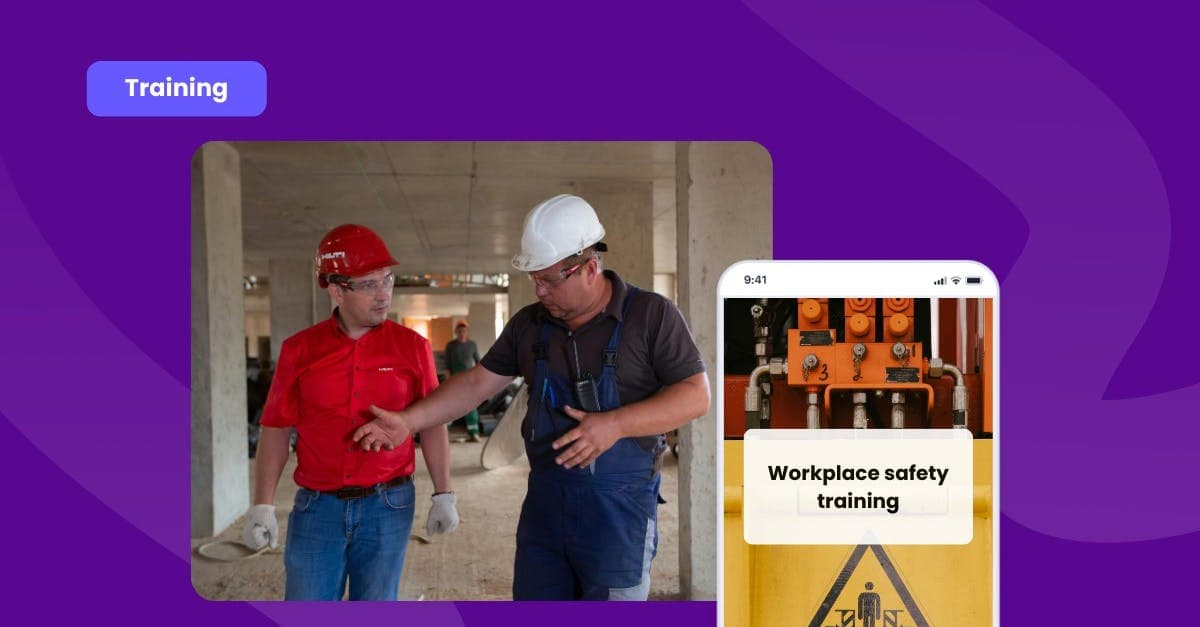

Workplaces can benefit from a strong safety officer course, especially in industries that handle hazardous tasks, tools, and materials. This training prepares your officers to manage risks and makes sure sites are safe and compliant with standards. To develop your managers' skills and protect your workers’ health, consider these 10 top courses.
Safety officers are responsible for promoting the health and well-being of your teams. They implement procedures, identify risks, and perform inspections that safeguard tasks and secure work areas. Along with that, they guide crews to follow safety regulations and requirements in their jobs correctly.
Through their efforts, team members can use the best practices to finish tasks safely and responsibly, helping to avoid injuries and reinforcing complete compliance. This way, your organization can minimize penalty and compensation costs while reducing resource waste from downtime.
What is a safety officer course?
A safety officer course equips workers with the knowledge and skills to manage and improve workplace health and safety.
Health and safety officer courses develop your managers’ and supervisors’ understanding of practices, procedures, and standards that protect teams while they work. Here, officers can improve their expertise in the following:
Risk assessment and hazard management
Legal and regulatory safety requirements
Safety audits
Incident investigation
Safety management systems
Emergency response and aid
Industry safety needs
The course helps your officers in keeping the organization safe and compliant. It allows them to raise risk awareness, implement good techniques, and meet health standards, Because of this course, your organization can have reliable teams that keep your production floors secure, efficient, and productive.
How to become a safety officer?
Generally, becoming a qualified safety officer includes the following steps:
Complete education - Entry-level positions usually require a high school diploma or equivalent certificates, proving knowledge of biology, physics, and chemistry relevant to safety. Meanwhile, advanced senior-level positions require a bachelor's or master's degree in health and safety, science, or management.
Earn relevant certifications - Many organizations and regulations require safety officers to earn occupational health and safety certifications. The Certified Safety Professional and the Certified Safety Director are some of the certifications that meet this standard.
Gain experiences - Like any job, safety positions expect rich experiences that prove practical abilities and tested knowledge. These experiences can come from internships, apprenticeships, and on-the-job training.
Form the right skills - Education, certifications, and experiences form the necessary skills to succeed as a safety officer. While learning, focus on abilities in risk assessment, safety inspections, and standard regulations.
Stay updated - The principles and guidelines of workplace health and safety always change. Make sure to stay updated on new practices and requirements, including their applicability across different industries.
Develop leaders that can secure workplaces with a safety officer course
Workplaces encounter many hazards from jobs, equipment, materials, and areas, along with risks from poor practices and behavior. To address these problems, your organization needs well-skilled safety officers who can manage your sites to stay safe, compliant, and productive.
By using a safety officer course, managers and supervisors equip themselves with the right knowledge and skills to improve processes, equipment, and teams. Their expertise in safety management allows your business to avoid injuries, minimize costs, and boost productivity.
Help your leaders secure sites with an excellent safety officer course. Sign up for Mitti (by SafetyCulture) today!