


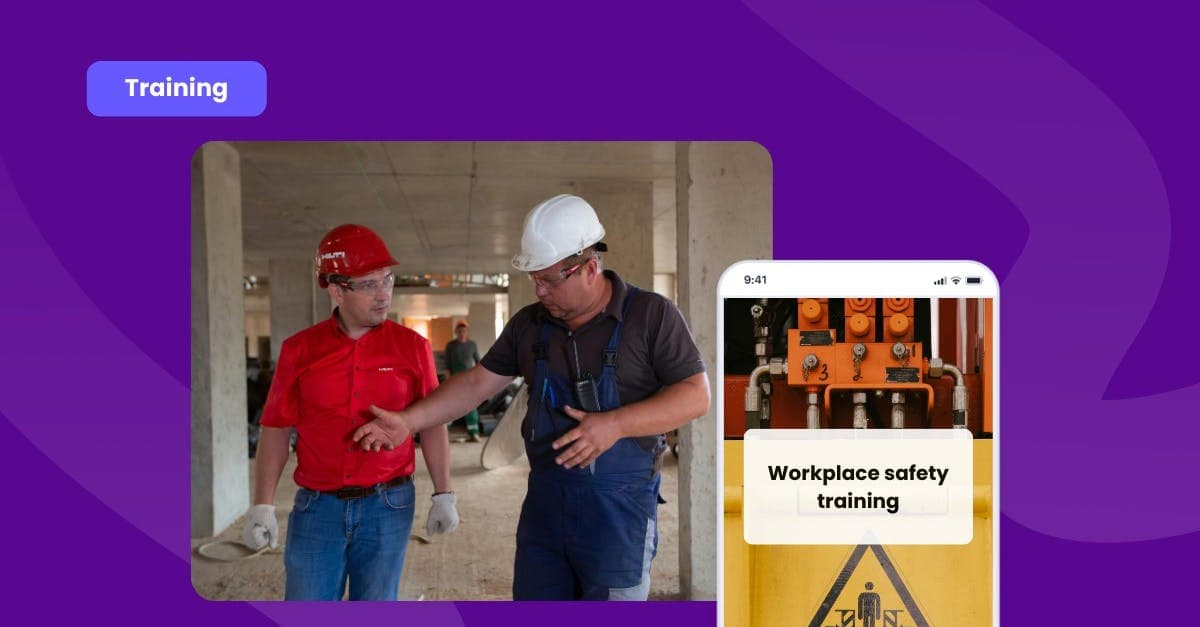

We’ve curated a list of warehouse safety training courses to help your workers be aware of the potential threats in the workplace and equip them with the knowledge to protect themselves. This list covers topics like warehouse traffic management, forklift safety, ergonomics, and many more.
Warehouse safety is essential for keeping everyone safe and ensuring smooth operations in any storage or distribution facility. Common issues like slips, trips, falls, and equipment accidents not only put employees at risk but can also lead to costly downtime and legal problems for the company.
With so many activities happening—like lifting heavy items and using different machines—it’s crucial to have strong safety protocols in place. That’s why you need to invest in warehouse safety training.
What is warehouse safety training?
Warehouse safety training is designed to teach your team the necessary skills, knowledge, and mindset to navigate the unique risks in a warehouse. High-powered machinery and complex inventory systems increase the risk of accidents and injuries in manufacturing warehouses, emphasizing the need for this training.
What are examples of warehouse training?
Warehouse training includes various programs to prepare employees for the specific challenges they may face in a warehouse environment. Here are a few examples:
Forklift operator training: This training teaches employees how to safely operate forklifts and other material-handling equipment, covering topics like maneuvering, load handling, and safety protocols.
Hazardous materials handling: Employees learn how to safely handle, store, and dispose of hazardous materials, ensuring compliance with safety regulations and reducing risks.
Emergency response training: This program prepares workers to respond effectively to emergencies, such as fires or chemical spills, including evacuation procedures and basic first aid.
Ergonomics training: Focused on proper lifting techniques and body mechanics, this training helps employees reduce the risk of injuries related to repetitive tasks or heavy lifting.
Inventory management training: Employees learn best practices for tracking and managing inventory, including how to use inventory management systems and techniques for efficient stock handling.
What are some key aspects of warehouse safety inspections?
Training your team on warehouse safety encourages them to accomplish daily tasks with caution and implement OSHA warehouse safety guidelines. Inspections reinforce training, checking if everyone can apply what they’ve learned on the job. Below are the key aspects of warehouse safety inspections:
1. Accessibility checks:
Clear and unobstructed aisles and walkways
Proper access to emergency exits and fire doors
Working and easily reachable emergency lighting and exit signs
Unblocked loading docks and dock doors
Safe and secure stairways, ladders, and ramps
Adequate space around machinery and workstations for safe movement
2. Storage and material handling:
Stability and condition of shelving, racks, and pallets
Proper stacking and secure placement of materials to prevent falls
Correct labeling and segregation of hazardous substances
Use of appropriate equipment for lifting and transporting goods
3. Equipment and machinery safety:
Regular maintenance and safety checks for forklifts, conveyors, hoists, and other machinery
Presence and use of machine guards and safety barriers
Proper lockout/tagout (LOTO) procedures are in place and followed
Clear hazard signage around machinery and workspace
4. Fire safety and emergency preparedness:
Availability and working condition of fire extinguishers, alarms, and sprinkler systems
Clearly marked and unobstructed emergency exits and evacuation routes
Regular emergency drills and staff training
Safe storage of flammable and combustible materials
5. Work environment and employee safety:
Adequate lighting and ventilation throughout the warehouse
Obstructions to avoid slips, trips, and falls
Proper use and availability of personal protective equipment (PPE)
Ergonomic practices to prevent injuries related to lifting and repetitive tasks
Sanitation facilities like wash stations and break areas
Promote a safe work environment with warehouse safety training courses
Warehouse workers deal with strenuous jobs that involve many potential physical hazards. This risk is even greater in manufacturing warehouses, where heavy machines, chemical handling, and dynamic production lines are present.
Keeping your team up to date with safety and health protocols through warehouse health and safety training makes them aware of potential hazards. Plus, it helps them maintain industrial safety when performing daily tasks like loading and unloading.
Whether you’re working with teams in the manufacturing, retail, or food processing industry, Mitti (by SafetyCulture) has a catalogue of courses on warehouse safety. These courses are built using microlearning templates that your warehouse team can complete on the go, despite their busy schedules.
Establish warehouse safety principles within your team with Mitti (by SafetyCulture)’s warehouse safety training courses. Sign up today.