What is a Noise Hazard Identification Checklist?
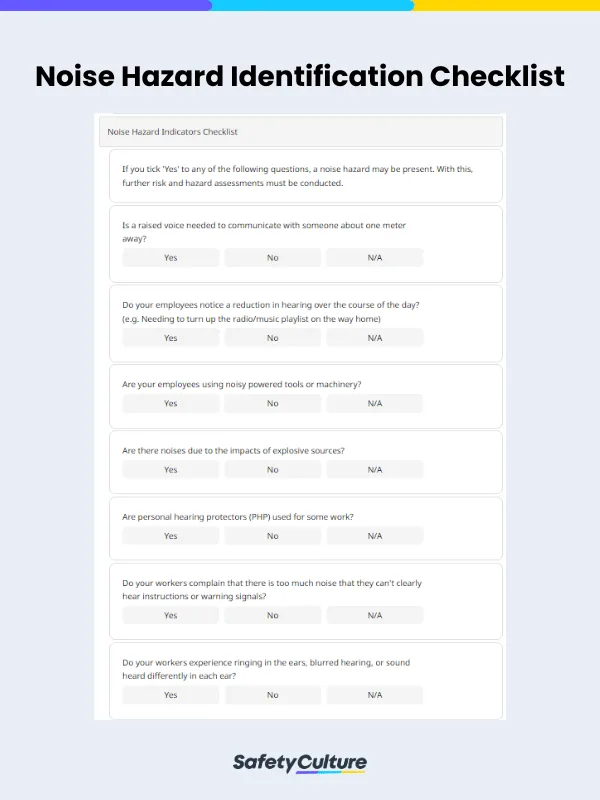
A noise hazard identification checklist is a tool used to assess and identify potential sources of noise hazards in the workplace. It contains a comprehensive list of questions and considerations to help employers and safety professionals identify areas where noise hazards may be present and recommend actions to address them.
Purpose
Noise hazards are defined as any sound that can harm or damage an individual’s hearing ability. In a workplace environment, noise hazards can be created by machines, equipment, tools, and even the work environment itself. According to the Occupational Safety and Health Administration (OSHA), noise levels above 85 decibels (dB) can cause hearing damage. To put that into perspective, a lawnmower produces around 90-95 dB, while a chainsaw can produce around 106-120 dB.
Occupational noise exposure can lead workers to experience temporary or permanent hearing damage, tinnitus, and other related issues. This is why it’s important to have measures in place to help address and minimize this hazard to improve workplace safety.
The primary purpose of a noise hazard identification checklist is to help employers conduct streamlined inspections and audits to identify potential sources of hazards in the workplace. By doing so, employers and safety professionals can develop and implement effective hazard control measures and reduce their potential of harming workers.
A comprehensive checklist can also help identify areas where additional training, resources, or equipment may be needed to reduce noise exposure levels effectively. It can serve as a reference tool for ongoing noise hazard management and ensure that noise exposure levels remain within safe limits.
What to Include in a Noise Hazard Identification Checklist
The checklist typically includes components and questions related to the following:
Identification of the different areas of the workplace where noise hazards may be present
Noise levels
Sources of noise
Duration and frequency of exposure
Availability and use of Personal Protective Equipment (PPE)
Visible warning signs and effective communication systems (e.g. hazard communication policies, safety signs, and safety symbols)
Use of noise barriers, sound-absorbing materials, and machine enclosures to minimize noise hazards and risks
How to Create One

Noise Hazard Identification Checklist Sample Report | Mitti (by SafetyCulture)
In creating a noise hazard identification checklist, it’s important to customize it according to the needs of your workplace and workers. To guide you, here are some general steps on how you can create one:
Identify all potential sources of noise hazards in the workplace. This can include equipment, machinery, and tools that produce high levels of noise, as well as processes that may expose workers to loud or sudden noises.
Assess the noise levels associated with each hazard. This can be done using noise meters or other tools that measure decibel levels.
Encourage those who will use the checklist to provide notes, annotations, and media attachments to supplement findings with further documentation.
Add a Completion page wherein the inspector, assessor, or auditor can place their recommendations and sign off.
Review and update the checklist regularly to ensure that it’s comprehensive and up-to-date with current regulations and guidelines.
How to Fill Out One
Here’s a sample guide on how you can use and complete a noise hazard identification checklist during inspections or assessments:
Review the checklist to become familiar with its format and the types of information it requires.
Look for potential noise hazards in the workplace, such as equipment, machinery, and tools that produce high levels of noise, as well as processes that may expose workers to loud or sudden noises.
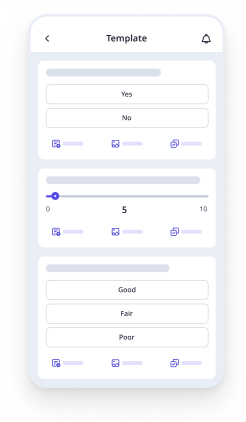
Answer Yes-No-N/A questions to identify potential noise hazards.
Record the recommended control measures that will be put in place to address noise hazards.
Determine and note if workers need training and education on the risks associated with exposure to high levels of noise, how to properly use PPE, and other ways to protect themselves from noise hazards.
Examples
Here are some real-world examples of how noise hazard identification checklists can be used in different industries:
Construction – site preparation, demolition, and excavation activities, which can involve the use of equipment and tools such as cranes, jackhammers, and power tools
Manufacturing – use of machinery and equipment in manufacturing facilities, such as conveyor belts, presses, and grinders
Healthcare – identify noise hazards coming from various sources, including alarms, intercom systems, and patient care equipment

Still looking for a checklist?
Search, filter, and customize 60,000+ templates across industries and use cases.