What is a Safety Walk Checklist?
A safety walk checklist is a structured tool used to assess workplace safety conditions and identify hazards through facility walkthroughs. It serves as a guide for safety officers, managers, and team leaders conducting routine safety inspections as this helps them document potential risks, unsafe behaviors, and areas needing improvement.
Benefits
Using a health and safety walkthrough checklist helps organizations maintain a secure and compliant workplace by identifying potential hazards and promoting a culture of safety. Below are its key benefits:
Proactive hazard identification and prevention – A walkaround safety inspection checklist helps identify workplace hazards, such as faulty equipment, fire risks, and obstructed emergency exits, to reduce the likelihood of major issues. These hazards are so common that the Bureau of Labor Statistics (BLS) reported nearly 3 million nonfatal injuries and illnesses in 2022 alone.
Better regulatory compliance – Regular safety walks using a checklist help organizations comply with ISO standards and industry safety regulations, such as the Occupational Safety and Health Administration (OSHA). Compliance reduces the risk of legal penalties, fines, and reputational damage while fostering a safe working environment.
Improved employee safety and well-being – A structured OSHA safety walkthrough checklist helps create a safer workplace by ensuring safety protocols are consistently followed. When employees feel secure in their work environment, their morale, productivity, and overall job satisfaction improve.
Enhanced safety culture – Conducting regular safety walks with a checklist helps employees become more aware of workplace hazards and are encouraged to actively maintain safety standards.
Reduced workplace accidents and costs – Identifying and resolving safety issues before they escalate minimizes the chances of workplace accidents and related costs. By preventing injuries, businesses save on medical expenses, workers’ compensation claims, and lost productivity.
What to Include in a Safety Walk Checklist
Regular safety walks using a detailed checklist help organizations proactively address risks before they lead to incidents, fostering a safer and more productive work environment. By integrating a safety walkthrough checklist into routine operations, businesses demonstrate their commitment to employee well-being and regulatory compliance while improving overall safety awareness among staff.
Here are the common components of a well-structured safety walk checklist:
Site details
Work areas
Fall protection equipment
Tools and equipment
Personnel
People safety
Comments and sign-off
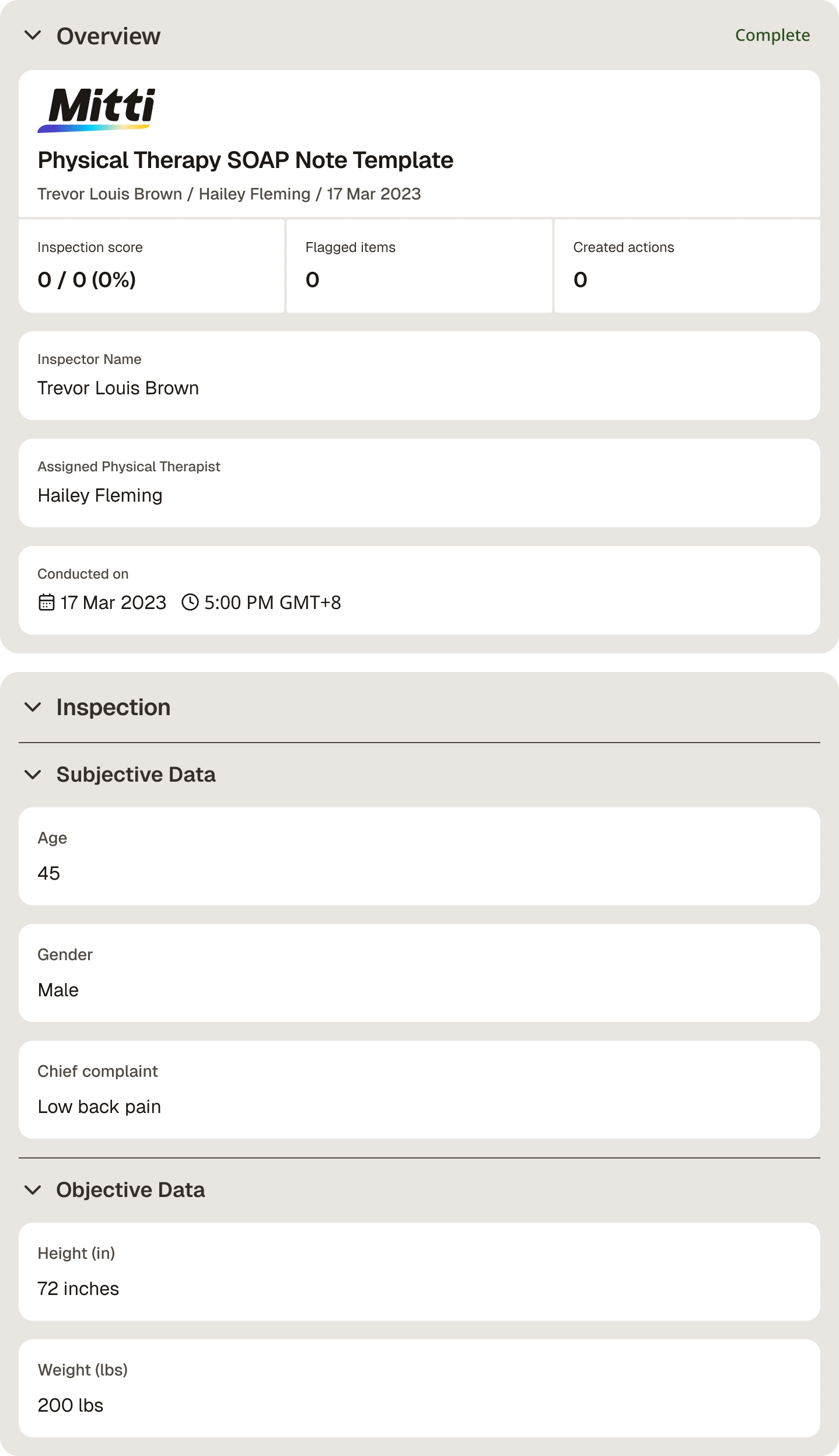
To see how these come together, here’s a filled-out safety walkthrough checklist sample report:

Safety Walk Checklist Sample Report | Mitti (by SafetyCulture)
How to Create a Safety Walk Checklist Template
By developing a comprehensive checklist, organizations can systematically assess risks and take proactive measures to prevent accidents. Follow this guide to create a health and safety walkthrough checklist tailored to your workplace needs:
1. Define the purpose and scope.
Define the specific goals of the safety walk checklist template, such as identifying hazards, ensuring regulatory compliance, or improving workplace safety culture. Choose which areas, departments, or equipment the checklist should cover. Clearly outlining the checklist’s purpose helps ensure it addresses key safety concerns relevant to your industry. Additionally, defining the scope prevents oversight of critical areas, making the safety walk more efficient and effective.
2. Identify key safety areas.
List the critical safety aspects needing regular inspection. Ensuring all workplace hazards are covered minimizes the risk of injury and property damage. A well-structured checklist also helps standardize inspections, making it easier to track and compare safety conditions over time.
3. Research safety standards and regulations.
Ensure the checklist aligns with industry safety regulations such as OSHA, ISO, or local workplace safety laws. Incorporate specific requirements to maintain compliance and reduce liability risks. Anticipating legal requirements helps businesses avoid costly fines and legal consequences.
4. Structure the checklist for easy use.
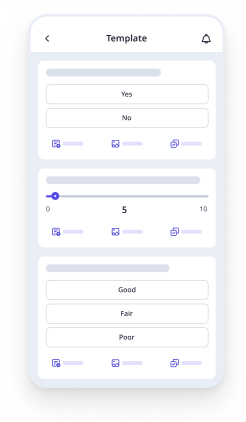
Organize the checklist into clear sections based on inspection categories and specific sections. Use a simple format with checkboxes, rating scales, or dynamic field responses for faster completion. This streamlines the safety walk process, ensuring thorough and consistent inspections. Additionally, an easy-to-use format reduces errors and ensures that safety officers can quickly identify and document concerns.
5. Include space for comments and notes.
Allow space for inspectors to document findings, add comments, or suggest corrective actions. This helps track issues and ensures continuous safety improvements. Detailed notes can provide valuable insights into recurring safety issues, helping management address root causes rather than just symptoms. Furthermore, written documentation supports accountability by providing a record of identified hazards and the steps taken to resolve them.
6. Test and refine the checklist.
Conduct a trial safety walk using the checklist to ensure it covers all necessary areas. Gather feedback from safety officers and employees, then refine the checklist to improve its clarity and effectiveness. Testing allows organizations to identify gaps or redundancies in the checklist before full implementation. Regular refinement ensures the checklist remains relevant as workplace conditions, equipment, and safety protocols evolve.
7. Implement the checklist and train employees.
Distribute the finalized safety walkthrough inspection checklist to relevant personnel and provide training on its proper use. Ensure that employees understand the importance of regular safety walks and how to accurately document their observations. Training helps create a culture of accountability, where employees actively maintain workplace safety. Well-informed employees are more likely to recognize hazards and follow best practices, reducing the likelihood of accidents.
8. Review and update regularly.
Continuously update the checklist to reflect new regulations, workplace changes, or emerging risks. Regularly reviewing and improving the checklist ensures it remains relevant and effective. As businesses grow and adopt new technologies or processes, safety risks can change, making it crucial to keep the checklist up-to-date. Consistent updates also demonstrate an ongoing commitment to workplace safety, reinforcing best practices among employees.

Still looking for a checklist?
Search, filter, and customize 60,000+ templates across industries and use cases.