




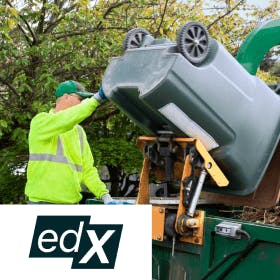


We’ve compiled a list of waste management courses designed to assist workers in the responsible handling and disposal of waste. Topics include duty of care, hazardous waste management, sustainability policies, and more.
Never take any chances when it comes to the safety of your workers or your business. It’s vital that you conduct a waste management training program so everyone has the knowledge to make informed decisions when creating a healthy and sustainable work environment.
Through training, your workers can learn about the correct handling, disposal, and reduction of waste. They can also minimize environmental impact and gain a better sense of responsibility and civic engagement.
What are the 3 types of waste management?
These are the three types of waste management essential to making a positive impact on the environment:
Source reduction: The first type of waste management is reducing the amount of waste and finding ways to consume less. Using less packaging, choosing reusable products, and being conscious of consumption habits contribute to cutting down on waste production.
Recycling: This involves collecting materials like paper, plastic, glass, and metal, and turning them into new products instead of throwing them away. It helps save resources, reduce pollution, and keep waste out of landfills.
Waste disposal: Sometimes, waste can’t be reduced or recycled. In these cases, it needs to be disposed of properly. This means putting waste in designated places, like landfills or incinerators, where it can be handled safely. Proper disposal helps prevent harm to the environment and potential health risks.
How to learn waste management?
There are plenty of ways your workers can learn about waste management. Here’s how they can start and how you can support them on their learning journey:
Online courses: Look for reputable online platforms or organizations that offer waste management courses and use them for your waste management training. You can share courses that cover various aspects of waste management, like recycling, waste reduction, and proper disposal methods. They provide structured learning experiences with informative videos, readings, and quizzes.
Local workshops and seminars: Encourage your workers to attend workshops or webinars featuring waste management experts. They’ll be able to learn about waste management practices specific to their area, connect with like-minded individuals, and participate in hands-on activities.
Books and publications: Recommend materials written by experts so they can gain in-depth information about waste management principles.
Environmental organizations: Partner with environmental organizations that focus on waste management to strengthen your training initiatives. Allow your workers to volunteer for waste reduction campaigns, recycling programs, or community clean-up projects so they can have hands-on experience while working alongside experienced individuals.
Online communities: Facilitate online communities and forums dedicated to waste management and environmental sustainability. These platforms will allow your workers to connect with individuals who share a passion for waste management. They can learn by engaging in discussions, asking questions, and exchanging ideas.
Create a healthy working environment with waste management courses
The lack of proper waste management training can result in inefficient waste disposal, missed opportunities for recycling and reuse, and a failure to implement sustainable practices. To prevent these, equip your workers with the necessary expertise through waste management training.
Remember that training waste management professionals is an important initiative, not only within the waste industry but also across fields like environmental science, public health, and urban planning. It’s a great example of corporate sustainability that every organization needs.
Today, you can easily help your workers develop a strong sense of waste management awareness through self training tools like Mitti (by SafetyCulture).