
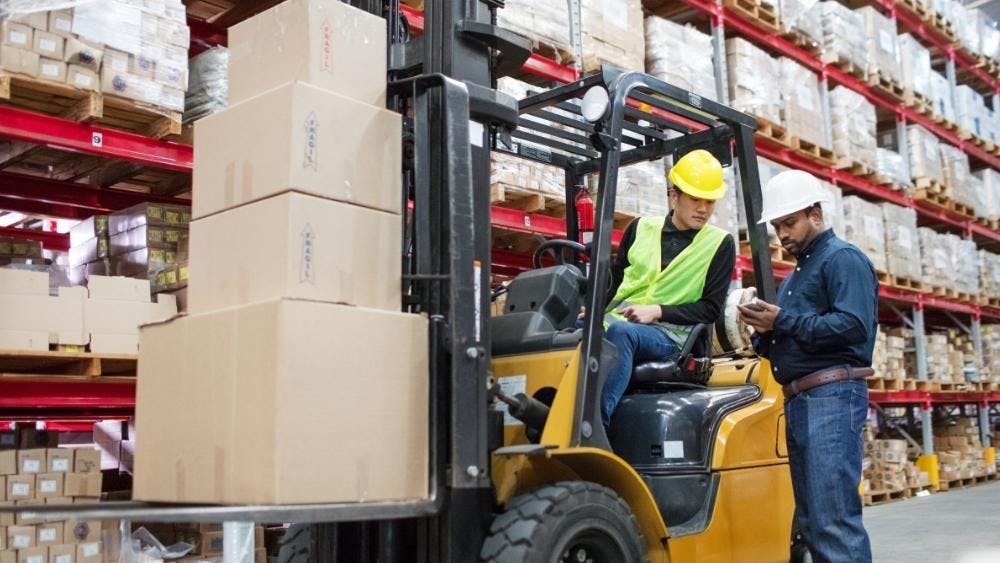









Forklifts are essential vehicles that drive operations across various industries. They optimize material handling, logistics, and storage, saving teams significant time. To enjoy these benefits at your sites, develop top-notch operators with these 10 forklift training courses and certification programs.
Forklift training teaches crew members the necessary skills and knowledge to operate the vehicle safely and efficiently.
This covers safety protocols, standard regulations, and stability practices, allowing operators to minimize the risks of accidents and damages. Additionally, forklift courses explore load handling, proper maneuvers, and equipment maintenance, helping teams move more materials quickly.
What is the purpose of forklift training?
Forklift training is essential for organizations to achieve safe, compliant, and efficient handling. Since on-site material movement is crucial to operational success, only the highest standards of forklift operation are acceptable. Here’s how operator training supports these goals:
Improve safety: Training covers best practices, protocols, and maneuvers for safer operations with minimal risks. These safety skills help prevent accidents and injuries while maintaining continuous work.
Secure compliance: Forklift operation courses help operators understand regulatory requirements and guidelines relevant to the vehicle. This not only fulfills their training responsibilities but also prevents costly fines.
Enhance productivity: Forklift truck training teaches operators efficient loading, moving, and clearing procedures. This allows them to work faster and complete more tasks while minimizing hazards.
Reduce damage: Forklift operator programs explain the right steps for inspecting, maintaining, and servicing the vehicle. These procedures help prevent damages and extend the truck’s service life.
What are the requirements for forklift training?
To develop high-quality certified operators, make sure your courses and certification programs meet OSHA forklift training requirements. According to 29 CFR 1910.178, employers should:
Create and deliver complete operator training programs: Implement training that addresses all essential topics, including vehicle types, general principles, operational hazards, and safety guidelines.
Combine learning methods for vehicle training: Use a mix of formal discussions, practical demonstrations, and performance evaluations. This makes sure operators fully understand the training and practice their skills correctly.
Retrain and reevaluate operators every three years: Conduct a reassessment of forklift operators every three years to renew their certification. Retraining is necessary if an operator is reassigned to a different forklift, commits a violation, or is involved in an accident.
Make sure forklift drivers meet the age requirement: Verify that forklift trainees are at least eighteen years old to qualify for certification.
Forklift training is especially important for companies that require compliance with OSHA regulations. At Mitti (by SafetyCulture), we've got comprehensive lists of forklift training for specific states to help teams abide by safety laws. Some of these states include:
Improve operational safety and efficiency with forklift training
Without well-trained operators, the potential of forklifts is greatly compromised. Inexperienced handlers can turn these trucks into sources of safety hazards and inefficiencies.
That’s why forklift courses are crucial to a business’s success. It develops and certifies skilled operators who understand the right maneuvers, procedures, and protocols for productivity. They can learn to work smartly and responsibly, helping you meet high-quality production targets.
Lift your operators to their most productive work with forklift training. Sign up for Mitti (by SafetyCulture) today!