









Materials for a construction project don’t appear out of nowhere. It takes a dedicated operation to safely deliver huge loads of steel, concrete, equipment, and more to the building site.
It can take hours or even days on the road for supplies to be delivered. Without any proper load securement, your cargo can move or fall at any time. With frequent load securement training, your transport team will be safe on the road as they haul massive amounts of construction materials.
What is load securement and why is it important?
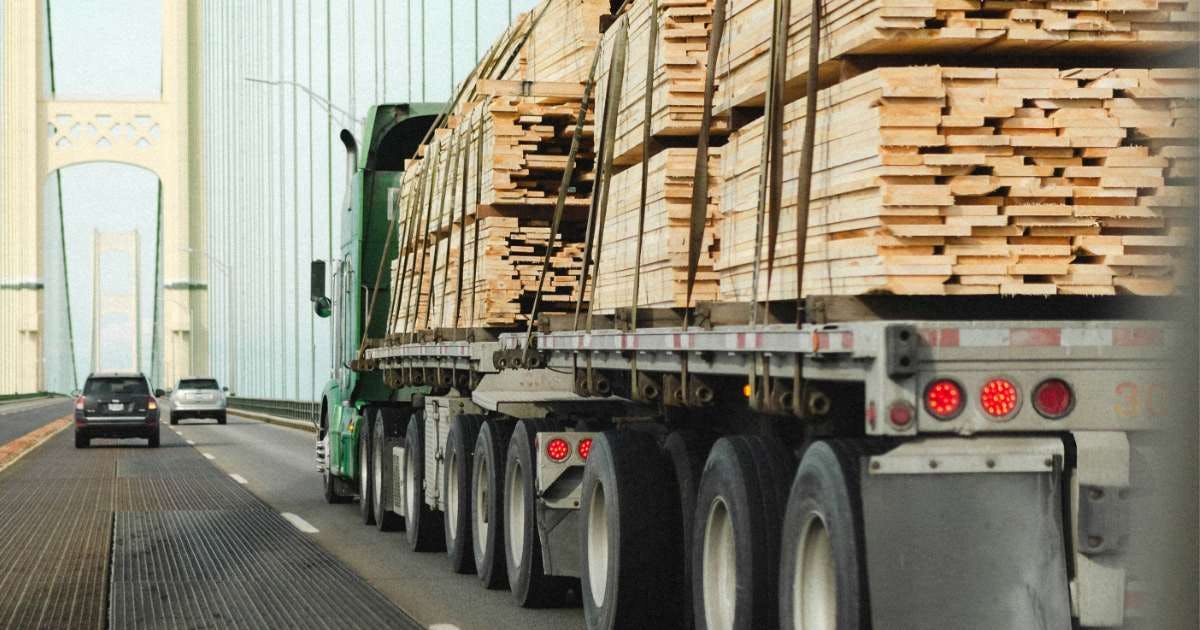
Load securement is the process of attaching heavy equipment and materials to vehicles, like trucks or lorries, for transport. Driving on public highways may damage or drop the load, so it’s important that everything in the vehicle is fastened and fixed to the truck. Any loose cargo is a hazard that can severely harm your fleet and other drivers on the road.
According to the National Highway Traffic Administration, about 700 deaths and 17,000 injuries happen every year due to foreign objects on the road. Your company will also face fines and penalties for not complying with the current load securement regulations.
The current regulations for load securement were made into law in 2002 by the FMCSA. Its purpose is to reduce accidents related to load securement and standardize the practices followed in the U.S., Canada, and Mexico. They apply to any commercial motor vehicle that
have a gross weight of over 10,000 lbs or 4,500 kg,
regularly do interstate commerce,
or transports hazardous material or a large load.
What is load securement training?
Load securement training teaches your fleet team load-securing strategies like how to safely place, contain, and remove cargo on their trucks. Your team should make sure the load is completely secure before they leave and during the trip. Along with securing the loads from falling, your fleet drivers should also prevent them from spilling or moving in the truck bed.
This is usually done through tie-downs: tools like rope and chains that can fasten loads to trucks. Some teams may also need additional training for another type of truck like a flatbed.
What are the best methods for load securement?
There is no single best method for load securement. The main goal of load securement is to immobilize the load by binding it to the transport vehicle. The specific techniques and tools you need to use depend on the size of your vehicle, the type of cargo, and the available load-securing materials you have. Here’s a short overview of the most common load securement methods:
Tie-downs - The most common method. It uses chains, ropes, or wires to weigh down and bind the cargo to the vehicle.
Dunnage - Padding that’s fitted in between the load to prevent frequent movement or breakage. Examples include foam, airbags, and even steel.
Load bars- Adjustable steel bars that are wedged in between the cargo and the walls of a truck’s trailer.
The FMCSArequires that any cargo that’s inside or tied to a vehicle is secured and immobilized through any of these methods or a combination of them. They require that the total working load of any load securement system must be at least half the weight of their carried load.
For special materials like logs, pipes, vehicles, or bounders, refer to FMCSA for additional load securing requirements.
Keep your fleet safe on the road with load securement training
Load securement training is the cornerstone of a safe transport routine. With a thorough securement system and a pre-drive inspection routine, your fleet can safely transport any sort of heavy equipment or material. After all, a seamless delivery begins with how well your team can prepare their cargo.
Teach your fleet team the best load securement practices and routines with Mitti (by SafetyCulture). Effective training can be simple, flexible, and cost-efficient by sending informative courses to your team’s phones. You can also track in-person training attendance automatically alongside digital training with the Group Training feature. So you can focus on teaching your team, not managing training.
Sign up now to level up your load securement training program.