Many industries work with and around HAZMATs and many products that are part of our routines may contain these substances. HAZMAT, short for hazardous materials, are items or agents in quantities or forms that may pose physical and health risks. These risks could endanger humans, animals, property, or the environment.
The government, through regulatory agencies, usually works with industries to set HAZMAT-related policies and protocols. These regulations should be observed by businesses involved in the handling and movement of HAZMATs.
Whether they’re transported on our roads or in our waterways, used in manufacturing a certain product, or stored for laboratory work, HAZMAT safety measures should be in place. Teams should also receive consistent and up-to-date training so they know how to protect themselves and others from the dangers of being exposed to these substances.
What is a HAZMAT training course?
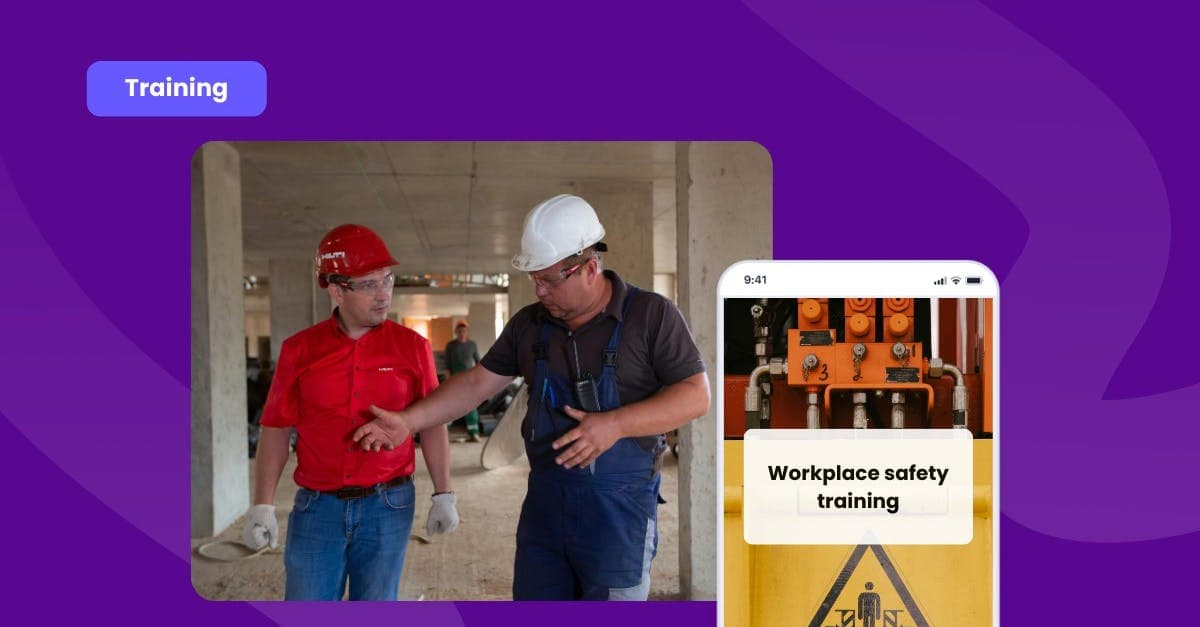
There’s an abundance of options for training teams on HAZMAT safety and awareness. But some training methods are more effective than others. Using HAZMAT training online courses is an effective, easy, and practical way to deliver important lessons to your employees.
HAZMAT training covers a wide range of topics and may vary from industry to industry. We’ve listed some of the most important topics to take into consideration when choosing the right online HAZMAT training:
Accident prevention - Avoid accidents by giving your team access to accident prevention courses that touch on topics like properly handling materials and promoting compliance with regulations and policies.
Awareness training - This training type aims to give workers general information on HAZMATs. It can include teaching teams how to read and understand labeling.
First aid - Teams should be trained on how to treat injuries if and when exposure happens.
Industry-specific training - Training needs may vary for different jobs. Identify what your team needs and what industry standards you should comply with. After this, you can choose the appropriate HAZMAT training to deliver to your teams.
Transport - This training is intended for truckers who are in charge of moving HAZMATs from one place to another. It often involves safety procedures for transporting substances via air, land, or sea.
PPE - Train your teams on the proper use of HAZMAT suits, masks, and other personal protective equipment, depending on what hazardous material they usually encounter at work.
What are examples of hazardous materials?
HAZMATs are everywhere and are part of different operations in many industries. Here are some of the most common hazardous materials found in and out of job sites, along with the industry or product they’re currently used for.
Asbestos - typically used in the construction industry in products like fireproofing material, floor tiles, ceiling tiles, cement pipe, and roofing shingles.
Gasoline - used in vehicles and powering equipment for construction, farming, and landscaping.
Liquefied Petroleum Gas (LPG) - also known as propane or butane; used in kitchens and usually fuels appliances and vehicles.
Carbon monoxide - found in furnaces that use gas or oil, portable generators, and charcoal grills.
Ammonia - used in manufacturing plastics, fibers, fertilizers, rubber, nitric acid, and others.
Benzene - used in the production of plastics, pesticides, detergents, and other chemicals.
Keep your teams safe and healthy with HAZMAT training online
Exposure and incorrect handling of these hazardous materials can cause injuries, illnesses, and damages to the liver, kidneys, lungs, heart, and other organs. In the worst cases, it can also lead to death. That’s why it’s important to train teams on safely and smartly working with hazardous materials.
Hazardous chemical accidents are happening every day, on average, in the US, according to research by Coming Clean. Prevent being a part of this statistic by equipping your teams with proper and effective HAZMAT training.
Protect your teams with the best HAZMAT training online provider. Join Mitti (by SafetyCulture) today!