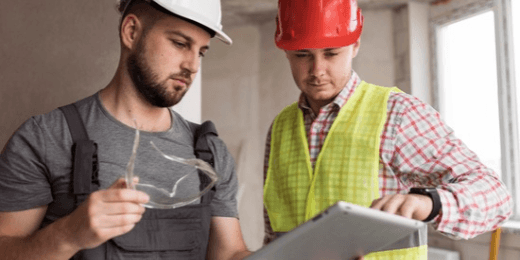
10 construction site safety rules
Prevent construction hazards with these site safety rules
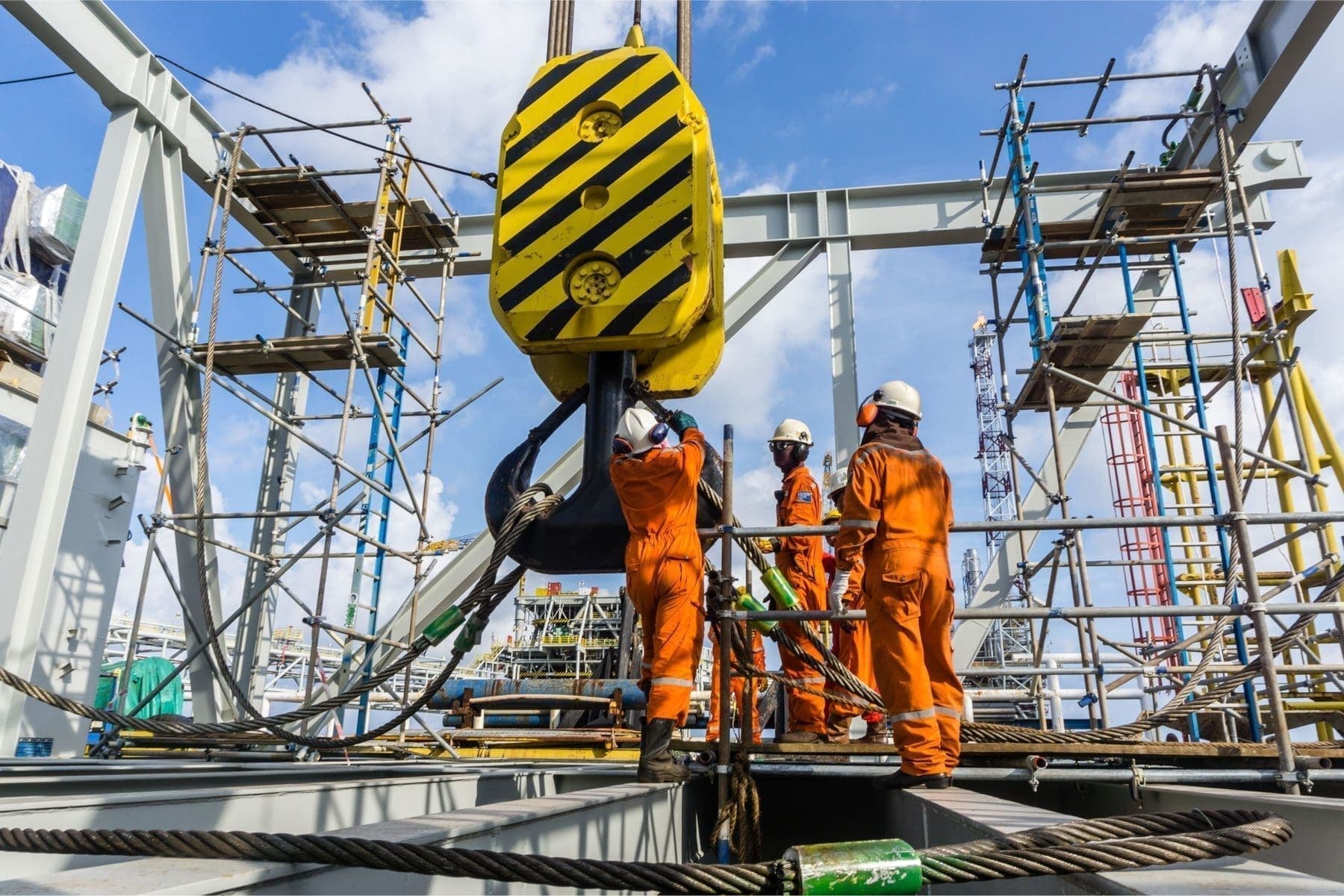
Prevent construction hazards with these site safety rules
To avoid injuries, accidents, and other health problems in a construction site, below are general construction safety rules that should be followed to keep workers and visitors safe:
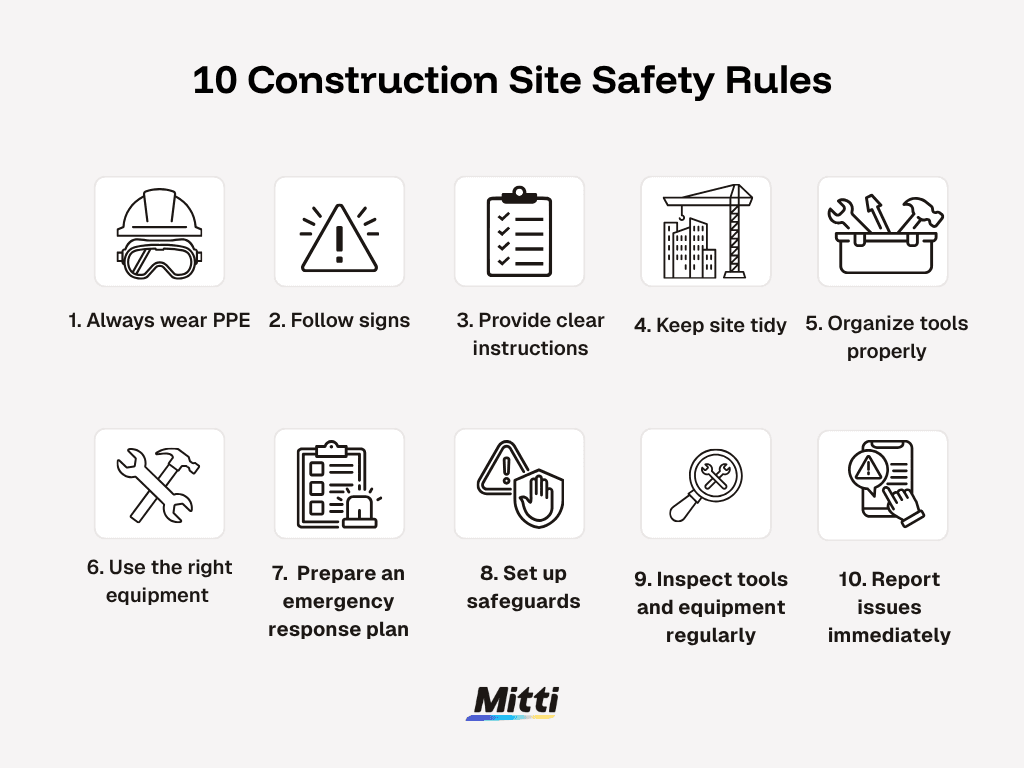
All workers and visitors in the construction site should wear the appropriate PPE to reduce exposure to various hazards on the worksite. Common PPEs include goggles, helmets, gloves, ear muffs or plugs, boots, and high-visibility vests and suits.
Safety signs allow management to warn and raise health and safety awareness for employees and visitors. Appropriately place them around the site where necessary. Workers should be familiar with the construction site safety tips and different signs: prohibition signs, mandatory signs, warning signs, safe condition signs, and fire fighting equipment signs.
A site induction for general contractors should be present on site. This will enable new workers to be familiar with site operations. Toolbox talks are also an effective way of relaying health and safety instructions to the workforce. It is conducted before commencing work on either a daily or more frequent basis.
Ensure that debris, dust, loose nails, and stagnant water from excavations and backfilling are not just lying around the site. The construction site must be cleaned daily and remain clutter-free to prevent slips and trips.
Ensure that no tools are lying around, and leave lights and power tools unplugged. Following construction site rules will help prevent tools from getting damaged or even causing injury to workers. Organizing them in their rightful place will also allow for easy navigation.
Often, accidents occur due to the misuse of a tool or equipment. Avoid using makeshift tools. Instead, use the correct tool to get the job done quicker and safer.
An emergency response plan directs the workforce on what to do when emergencies like natural disasters, fire, hazardous material spills, or other types of incidents occur. Have a dedicated team responsible for managing emergency crises, answering questions, and reporting potential hazards, quality issues, or near misses.
One of the ways to ensure safety on site is by placing engineering controls such as barriers, fences, and safeguards. These will help isolate people from hazardous areas with high-voltage electricity or chemicals with toxic fumes.
Before commencing work, ensure that the tools and equipment to be used are free of defects or damage.
Train workers to report defects and near misses on site as soon as they notice them. Problems can only be solved when they are made aware to management. The sooner issues get reported, the fewer chances of them worsening and causing accidents or further damage.

Audit time is reduced by 50%, and even by 70% for a 5S audit. Reporting on a dangerous situation used to take us 10 minutes, compared with 1 minute today with Mitti (by SafetyCulture).

Improve safety in your workplace with Mitti Supply as your one-stop shop for all work gear and equipment needs. Get on-demand access to top quality and specialized work gear from trusted equipment brands in the industry—all in one centralized location. Raise the bar of safety and efficiency by empowering employees to request what they need with just a few taps, anytime and anywhere!
Every rule on this list depends on knowing who is on site. Under your duty of care, you answer for the people on your site, including subcontractors and visitors who haven’t had a site induction.
An operations system like Mitti (by SafetyCulture) handles this at the gate through its construction module, which has two features. Sign On records who is on site: workers, visitors and subcontractors sign on with a QR code on their own phone or at a site kiosk, and a site can require a site induction before anyone signs on. Project overview files each job’s inspections, actions and issues in one record. The attendance register keeps a record of every sign on and sign off.
Pair it with a free template, such as the Weekly Site Safety Inspection or the job site orientation for subcontractors. Our guide to the general contractor’s role explains who answers for what.
Mitti is the operations system for every site, shift and standard. Trusted by over 80,000 organizations, Mitti brings your people, operational data and workflows into one operating picture.
Keep your projects moving without the paperwork. Your teams flag hazards the moment they happen, so you can see safety across every project.
✓ See what’s happening across every site and shift
✓ Catch issues the moment they happen
✓ Turn every issue into a clear next step
✓ Improve every day with evidence from the people doing the work
Article by
Mitti (by SafetyCulture) Content Team
Mitti (by SafetyCulture) Content Contributor
View author profile