Health and safety in retail industry: A complete guide
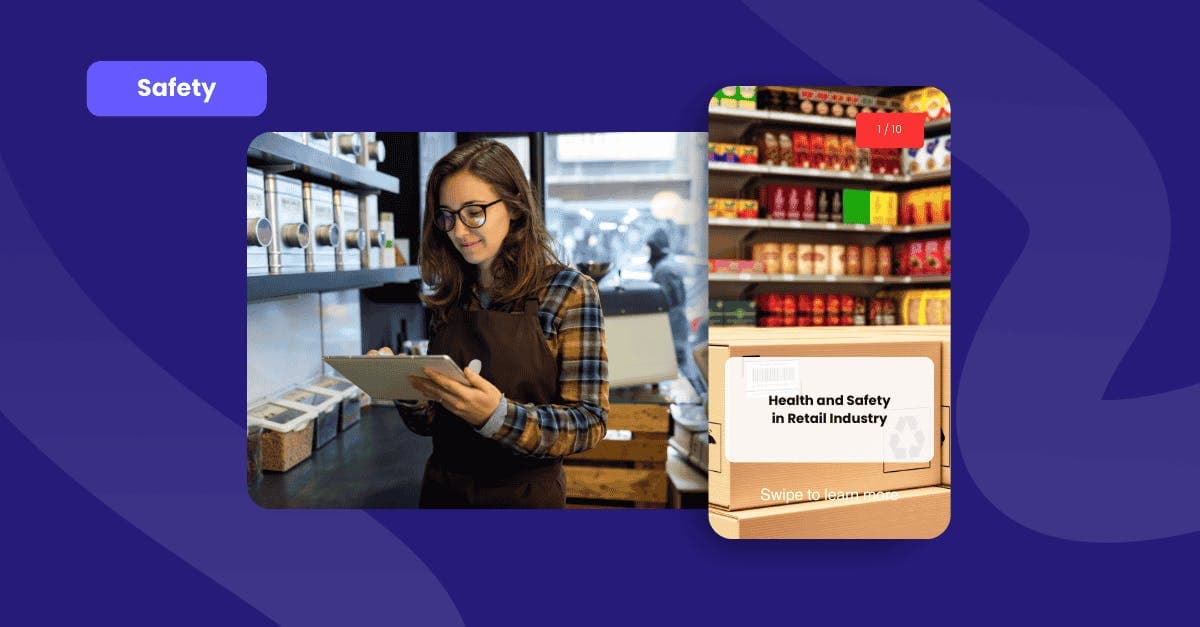
Health and safety are essential elements of a satisfying customer service and efficient retail operations. However, store staff members face safety risks, such as slip-and-fall hazards and overfatigue, in their day-to-day roles. This means prioritizing retail workplace safety is critical to the business’s overall quality and operational continuity.
This complete guide explores health and safety in the retail industry, along with common risks and hazards. Plus, it also tackles some important tips to keep your teams and your business safe and thriving.
Retail health and safety encompasses all practices and policies in place to keep customers, employees, and assets in stores and businesses safe. It’s a key part of smooth and successful retail operations and is all about creating a space that keeps accidents, injuries, theft, and other safety issues at bay.

Workplace safety statistics show that 8 in every 10 retail workers in the US feel unsafe while on the job. As the majority of teams clock in with concerns about their safety, it becomes more and more important to foster environments where they feel secure and supported.
In a dynamic environment with customers coming in and out, here are some of the most common risks and hazards found in retail settings:
Slips, trips, and falls
Manual handling injuries from lifting, pushing, or pulling heavy items during inventory and stocking procedures
Workplace violence including conflicts with customers and other staff and theft attempts
Falling objects from poorly secured products in high storage areas
Poor working conditions such as in temperatures that are too cold or too hot
Ergonomic hazards from standing too long or from repetitive tasks, like pulling pallet jacks inside storage
Psychosocial hazards from high customer demands, long working hours, and understaffing
In all workplaces, putting health and safety at the forefront helps create a safer, more productive environment for all involved. In retail, this means that everyone, from staff to shoppers to the business itself, benefits. Here are key reasons why businesses should prioritize health and safety in the retail industry:
It prevents accidents and injuries. With the right practices, including retail store training and monthly safety equipment inspections, teams can work confidently without the risk of harm.
It improves morale and prevents burnout. When workers feel supported and secure, they’re more engaged at work and are less likely to seek opportunities elsewhere.
It increases productivity. With better morale and minimal downtime from employees having to take time off due to retail-related incidents, they can contribute consistently to the success of the business and maintain a steady workflow.
It keeps you compliant with regulations. Retailers are legally mandated to give their teams and customers a safe working environment.
It reduces liability and costs. By minimizing risks and hazards in stores, you’re also avoiding potential financial losses from compensation, liability insurance, and legal fees.
It enhances your reputation. When you put safety first, you gain customer trust and loyalty.
It translates to better customer experiences. With teams that feel more secure and motivated, they’re more likely to be attentive to customer needs.
Discover how to create a proactive culture of safety for your customers and employees with this list of tips and best practices for maintaining health and safety in the retail industry:
Train new and seasoned store staff members on safety skills, like loss prevention, cold storage, ergonomics, and more. It’s also crucial to conduct regular safety drills—whether it's practicing fire evacuations or preparing for potentially violent situations—so everyone knows exactly what to do in times of crisis.
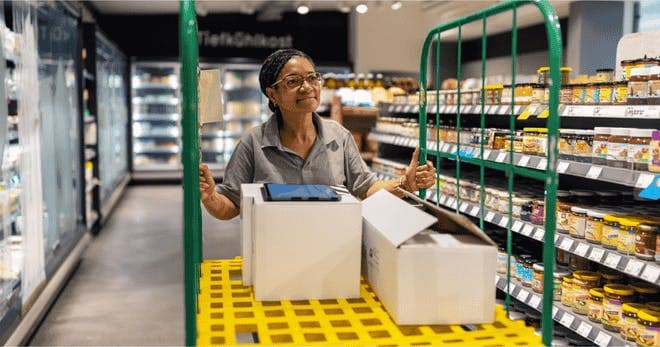
Well-trained teams are confident, quick to respond, and equipped to handle retail challenges. This minimizes the likelihood of accidents or shutdowns occurring and guarantees a safer, smoother operation overall.
With most retail workers being deskless, mobile learning is a game-changer. Mobile-first platforms like Mitti (by SafetyCulture) let your teams access retail health and safety training courses anytime, anywhere. This eliminates the need for complex scheduling, making it easy for employees to learn at their own pace, whether they’re on the shop floor or during a break.
Set the tone for safety in your stores with a clear health and safety policy. This written policy outlines all the emergency procedures, risk assessments, accident reporting processes, and preventive measures that your teams can look back on in case something goes wrong.
An easy-to-understand policy will help you and your employees create a safe and healthy environment for everyone. It’ll also guarantee that your teams understand the role they play in such situations. This is especially critical for tasks such as storekeeping and inventory, which involve risks associated with the use of equipment and materials.
To maintain health and safety in retail stores, you should regularly assess the potential risks and hazards present. This includes identifying high-risk areas, regularly inspecting fire extinguishers and alarm systems, and maintaining equipment like powered industrial trucks and cleaning tools.
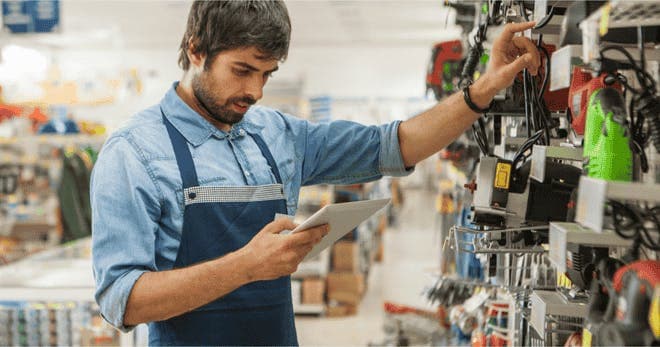
A simple, yet effective way to keep things on track is by using a store safety checklist. This can help your teams proactively address issues while staying organized to make sure that no safety measure is overlooked.
Maintaining store cleanliness and hygiene is the bare minimum for retail businesses. There’s more to it than what meets the eye. A tidy store isn’t just about aesthetics or enticing shoppers; it’s a key factor in preventing accidents and in securing employees and customers.
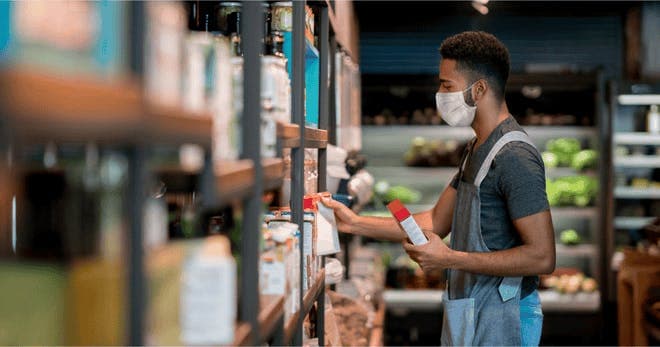
Keeping the store organized means regularly cleaning floors, promptly cleaning spills, removing obstacles from aisles, and using clear signage and warning labels. It also means that shelves are well-stocked, and workstations are ergonomically designed for employee health and comfort.
Security cameras and alarm systems are worthy investments in retail. It helps recognize suspicious behavior while reducing risks of theft and other forms of workplace violence. Clear protocols for handling theft and shoplifting incidents should also be in place and awareness should be raised among employees regarding these measures.
Effective retail health and safety practices require holistic support. Show your teams that you care for their well-being by giving them access to counseling services and resources for managing stress and burnout.

There’s also no replacement for promoting work-life balance by encouraging flexible scheduling, giving adequate time off, and fostering a culture where employees maintain a healthy separation between work and personal life.
Take the first step toward stronger retail safety practices with Mitti (by SafetyCulture). Protect your team, your customers, and your bottom line with its powerful features.
With Mitti (by SafetyCulture), you can:
Verify digital safety training in person with Practical Assessments
Translate health and safety courses into 100+ languages
Keep teams compliant by default with Reporting and Analytics
Instantly quiz your team’s knowledge after safety meetings with Rapid Refresh
Make information about retail health and safety digestible with microlearning