Top 50 catchy safety slogans for the workplace
A slogan on the wall won't stop an incident on its own. These 50 lines are short enough to remember and specific enough to change what someone does in the second before they take a shortcut.

A slogan on the wall won't stop an incident on its own. These 50 lines are short enough to remember and specific enough to change what someone does in the second before they take a shortcut.
A safety slogan is a short, memorable line that reminds people to work safely. Organizations run them on posters, toolbox talk decks, hard hat stickers, and digital screens as part of a wider safety campaign.
They work because they're short enough to recall in the second before someone reaches for the wrong tool. While a slogan won't fix a guarding gap or a missing permit, it's an effective reminder between inspections, when nobody's watching and the shortcut looks tempting.
The goal of safety slogans is to reduce the number of workplace accidents while also protecting the health and safety of employees. They can be used in the workplace to raise safety awareness among workers and to remind them to comply with applicable safety rules, regulations, and standards.
Additionally, safety slogans can help promote worker productivity by boosting employee morale, encouraging people to work safely, and delivering information about the workplace. Safety slogans are usually displayed on walls, doors, or other areas where workers may be able to see them. They can be extremely efficient in keeping workers safe, and they can be a valuable tool in ensuring that employees adhere to business safety policies and procedures.
Here are the list of safety slogans and safety quotes for work that you can use to increase awareness and keep people safe from accidents:
Safety is no accident
Never forget about safety
Best Be Safe Today
Stand up for safety
Our Goal—Zero Harm
We need you–work safely
Prevention is better than cure.
Safety Is Free, Use Plenty Of It.
Prepare & prevent instead of repair & repent

Stop! Think! Then act!
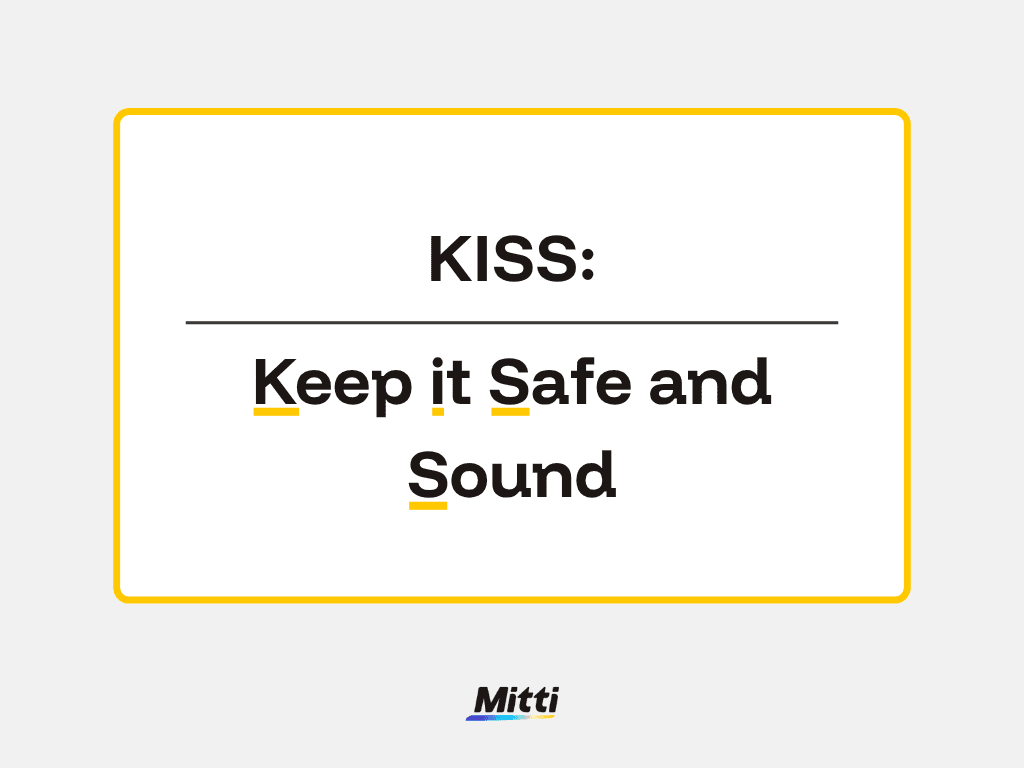
KISS: Keep it Safe and Sound
Zero compromise towards safety.
Leave sooner, drive slower, live longer.
If you don’t think it will happen to you, find the person who had it happen to them.
Zero compromise towards safety
Safety first and last longer.
Watch your step – it could be your last
Failing to prepare = Prepare to fail
Just because you always did it that way, doesn’t make it right.
“L” is for lifting – Lift with your legs and leave your back out of it.
Don’t be a fool. Use the proper tool.
Dare to be aware.
If you mess up, ‘fess up.
A spill, a slip, a hospital trip
Safety First, Avoid the Worst
To avoid a scene keep your workplace clean.
Do your work with pride, put safety in every stride.

Turn your attention to accident prevention.
Be aware, take care.
With safety glasses tight, you’ll surely keep your sight.
When in doubt, get out.
Don’t be safety blinded, be safety minded.

Work smart from the start.
Be informed or be deformed.
Safety is Gainful, Accident is Painful
When safety is first, you last.
Safety rules are your best tools.
Don’t be a fool! Inspect your electrical tools.
A faulty wire can cause a fire.
Make it a mission to address unsafe conditions.
Safety first because injuries last.
Machines and tools do not have brains-use your own.
If you lift with your back, you’ll hear it crack.
Your first mistake could be your last.
Hearing protection is a sound investment.
Don’t learn safety by accident.
Your hands do not come with a lifetime warranty.
If you think your job is hard now, try doing it without hands.
Shortcuts cut life short.
The only trip you take should be on vacation
Here are some tips on how to create your own safety slogans:
Keep your slogans short: A short slogan can be read and remembered by an employee in a single glance, and short phrases are particularly easy to recall.
Make the slogan focused on the situation: There are many available safety slogans. Choose or write a slogan related to the workplace or the risks that are present.
Incorporate rhyming words: Rhyming words tend to stick more in people’s heads because our “brains tend to remember information that forms a memorable pattern.”
Use acronyms: One example is “K.I.S.S. – Keep it Safe and Sound.”
Make it catchy: Choose words or phrases that catches attention. It could also be funny. Use striking colors and large fonts to make your slogans more attention-grabbing.
A slogan is a reminder, not an explanation. It tells a site supervisor's crew what to do without ever covering why or how, which is where training comes in.
OSHA's recommended practices for safety and health programs list education and training as one of seven core elements, alongside worker participation and communication. Here's how proper training can help:
Introduces the slogan in training, not on the wall — Explains the hazard behind it first, then post it as the reminder
Matches the rotation to your training calendar — If this quarter's module is machine guarding, the slogans on the floor should be about guarding
Uses it as a comprehension check — Ask a new starter what a posted slogan means. If they can't say, the training didn't land
Gives frontline workers a way to flag gaps — A slogan they can't act on is a control problem worth reporting
Training in Mitti (by SafetyCulture) lets you build short courses around the hazard a slogan targets and see who's completed them, while also providing independent learning modules so workers can update their knowledge on the go.
Make use of all of the resources available to you in order to express safety messages effectively. Put up safety slogans to promote a culture of safety in the workplace and integrate the use of digital tools to conduct safety inspections in a more convenient and efficient manner. Check the effectiveness of your safety slogans with Mitti (by SafetyCulture), one of the most powerful safety apps available for conducting paperless safety inspections, featuring alerts to remind employees and other stakeholders of safety protocols at all times.
In addition, Mitti (by SafetyCulture) may assist you with the following:
Customize inspection templates appropriate to the information you need.
Improve the communications line among your team by having a channel to alert, notify, and report inspections results.
Assess the risk present in the workplace and identify which areas are needed to be put with a safety slogan.
Check OSHA compliance at work and put safety slogans to remind workers to stay safe and follow standards.
Train employees on proper safety slogans and other related workplace safety practices.
Checkout some related checklists: